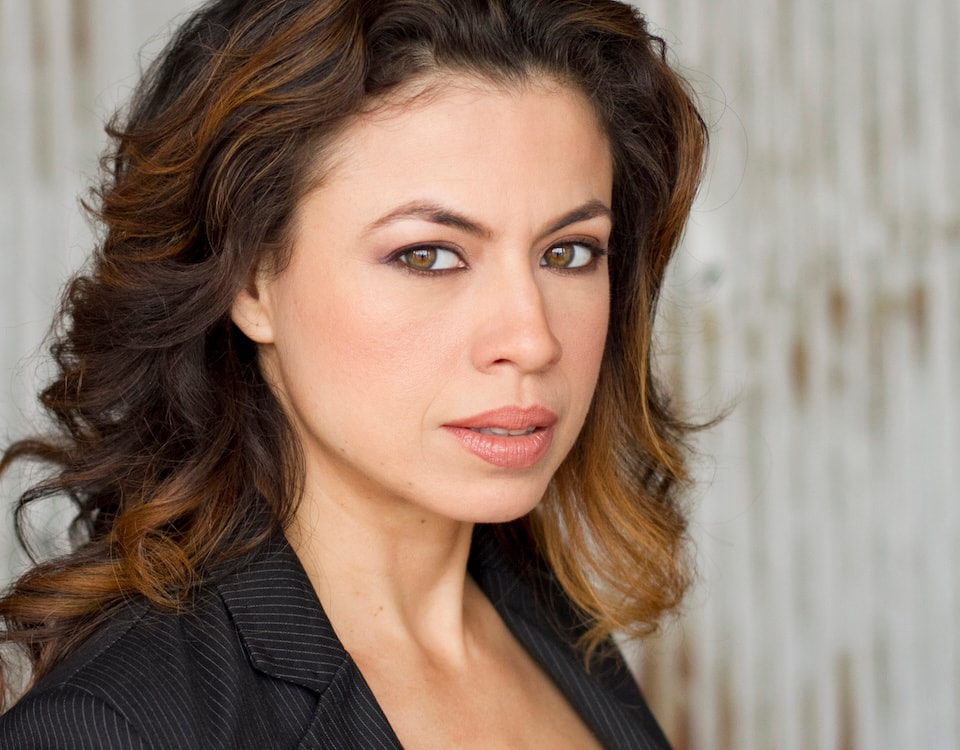
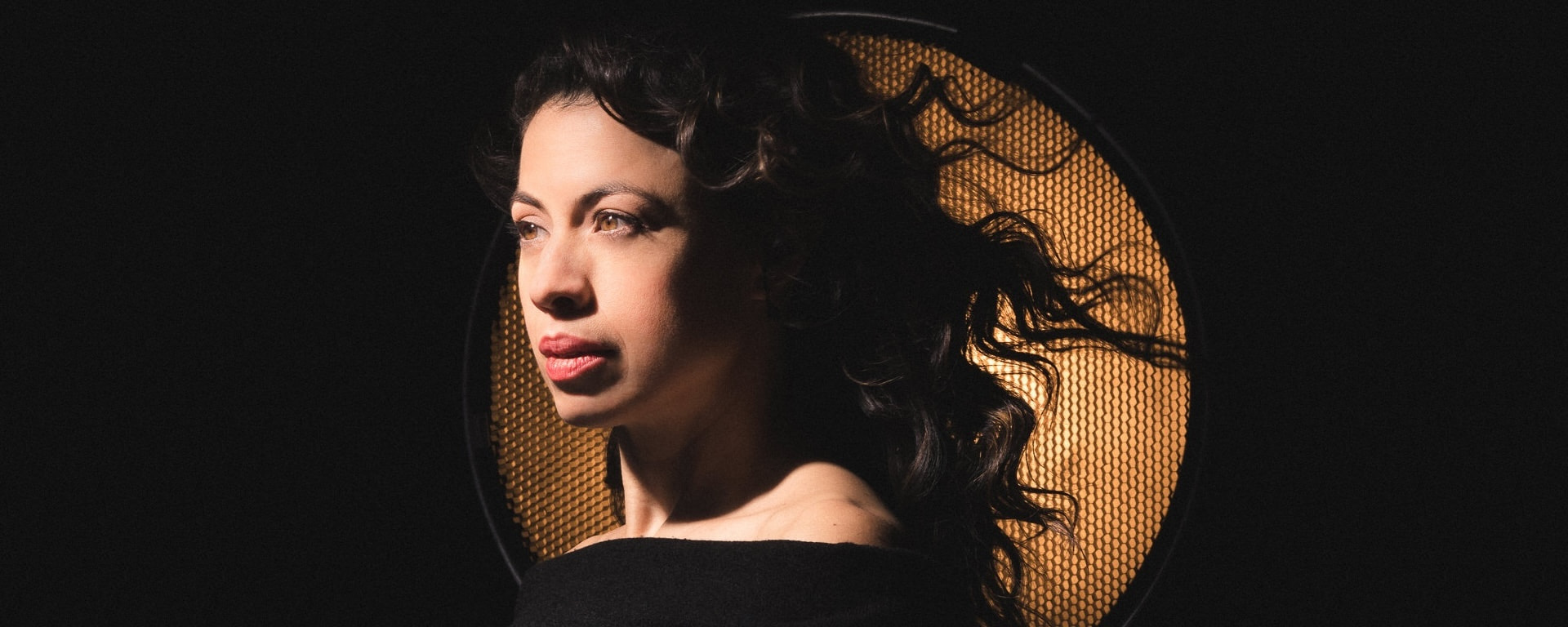
SANDRA DELGADO: THE POWER OF STORY AND PRESENCE

Sandra Delgado, an actor, playwright, and storyteller, moves between stage and screen with intention, shaping stories rooted in depth and honesty.

“NOTICING AND TAKING IN ALL THE LITTLE EVERYDAY STUFF THAT MAKES UP YOUR LIFE, THAT IS BEAUTY.”
SANDRA DELGADO IS AN ACTOR, PLAYWRIGHT, AND SINGER.
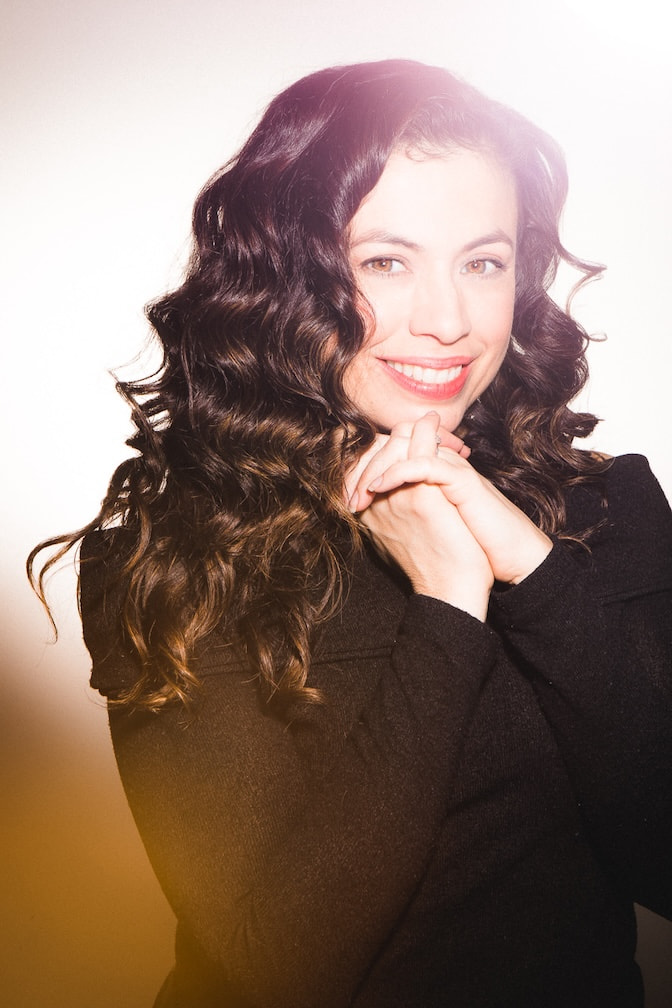
PHOTOGRAPHY BY JOE MAZZA
There’s a fire to Sandra Delgado that doesn’t shout; it glows. It’s the kind of creative heat that moves through a room quietly at first, then stays with you long after she’s gone. Onstage, she’s a force of nature; onscreen, she carries the same unmistakable presence. From her standout work in Chicago’s most revered theaters to her work onscreen, Delgado brings a rare blend of strength, vulnerability, and artistry to everything she touches.
Before television, she lived many lives onstage: as Jocasta in The Public’s Oedipus El Rey, as Medea at Victory Gardens, and as Veronica opposite Jimmy Smits at Steppenwolf. Her own creations—La Havana Madrid, The Sandra Delgado Experience, and the acclaimed Hundreds and Hundreds of Stars—have become cultural landmarks, honoring the stories too often left in the shadows. Critics call her work urgent. Audiences call it soul-shifting. The truth is, Delgado is simply telling the stories she was born to carry.
In her work, she carries everything with her: the discipline of theater, the boldness of activism, the tenderness of lineage, and the deep spiritual curiosity that fuels her artistry. Sandra sits with us to talk about power, purpose, and the responsibility of being a storyteller in a world hungry for truth. Her work onscreen becomes a natural extension of that voice.
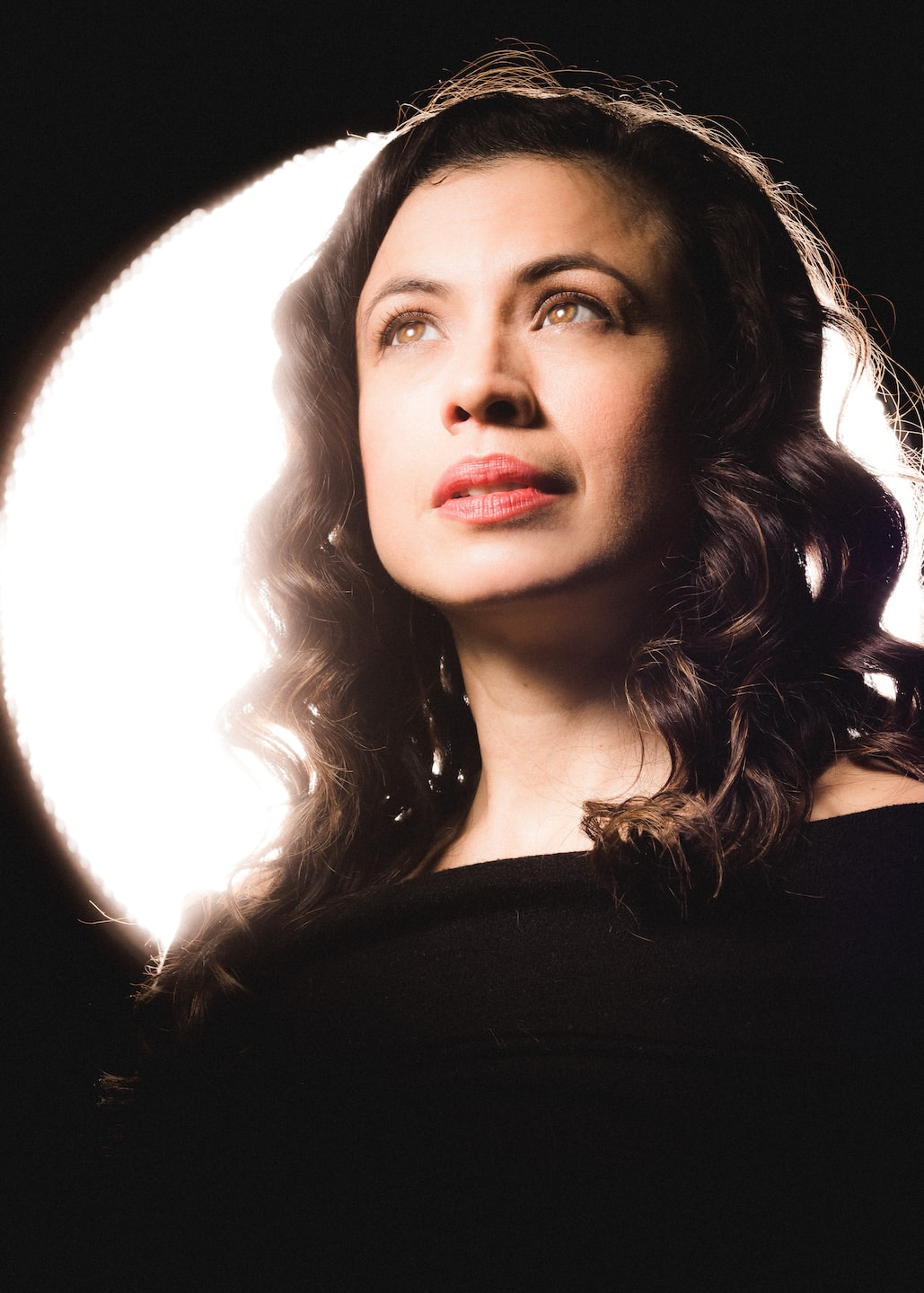
“IT’S WHAT I WAS PUT HERE ON EARTH TO DO. I TRULY BELIEVE THAT.”
For readers meeting you for the first time, how would you describe who you are at your core, beyond the roles and beyond the résumé?
I am a connector and a nurturer. I love bringing people together. I love hearing people’s dreams to see how I can support them in making them a reality. Curiosity, empathy and the power of community are values that I bring with me into every room I enter professionally and personally.
Your presence carries both strength and softness. Where does that come from?
My mama!
You’ve also appeared onscreen in projects like Power Book IV: Force. How did that opportunity come to you, and what drew you to the role?
It’s actually pretty amazing how I was invited into the world of FORCE. The series lead, Joseph Sikora, who plays power universe fan favorite, Tommy Egan, and I know each other from way back at the beginning of our theater careers in Chicago. A sweet, fun fact: I played his Belle to his young Ebenezer Scrooge in Christmas Carol at the Goodman, a storied Chicago holiday tradition, back in 2000! We maintained a friendship through all these years and it has been a thrill to see his star rise. FORCE called me in to audition for a role in the first season. That didn’t work out, but Gary Lennon, the showrunner, kept thinking about me. When the role of Trina was written, he was like this, this is for Sandra. And he gave her my last name, which I absolutely love.
In roles like Trina, what has felt most personal or familiar to you as a woman and as an artist?
The Latina woman is the lowest-paid wage worker in the US. It takes us almost two years to make what a white man makes. On the theatre front, only about 6% of all plays produced in the US are by women of color—that’s ALL women of color. So how many of those are written by Latinas? And don’t get me started on the still very narrow representation we have on TV and film. I say all this because it’s a glimpse into how society sees Latina women, values us, treats us, and expects from us. I think about all that Trina had to go through to get to where she is in the agency, as someone who is listened to, trusted and valued. I think about how both of us have defied the odds, shifting perceptions of what Latina women can be and can do, and how seriously we take that responsibility and that privilege in order to make the world a more just place.
How has your work onscreen shaped the way you approach your craft?
Trina is one of the few characters I have played on a screen that isn’t your stereotypical “crying, Hispanic woman.” That is an actual IMDB credit of mine, believe it or not. It is a sign and an encouragement to keep portraying and creating characters that are complex and defy expectations. It’s also fuel to keep writing and keep creating opportunities for more women and Latine actors.
You’ve built a career telling stories that often go unheard. What pulls you toward narratives that live between history, memory, and truth?
It’s what I was put here on earth to do. I truly believe that. And it’s connected to what I think about the responsibility I have as an artist at this moment in time. When I first started writing La Havana Madrid, my immersive play with music, I thought it would be fun to recreate the long-gone Chicago nightclub. I thought, I’ve always wanted to sing with a salsa band and now I’ll get to do just that. It wasn’t until I started doing research and saw how much Latine history in Chicago, and in turn Latine history in the US, has not been documented and has, in fact, been lost. At that point, that the project turned into something deeper and changed the course of my life forever. My mission became to create work that centers the Latine experience in the US, features complex characters and fills in the narrative gaps in our shared history.
Theater has shaped so much of your life. In what ways does the discipline of the stage still live in your work today?
With theatre, you have weeks of rehearsal to explore and then weeks of performance to keep exploring. It’s so different from the TV and film world, where you film your scenes and those are then frozen in time. What I love about theatre is that it continues to be malleable; it keeps evolving. It feels like the work is never done, and I mean that in the best way possible. So, it’s instilled in you to keep digging, to keep playing and to keep it alive and vibrant for every new audience that joins you. It’s ultimately about being present and staying curious, which is a good way to live your life on and offstage.
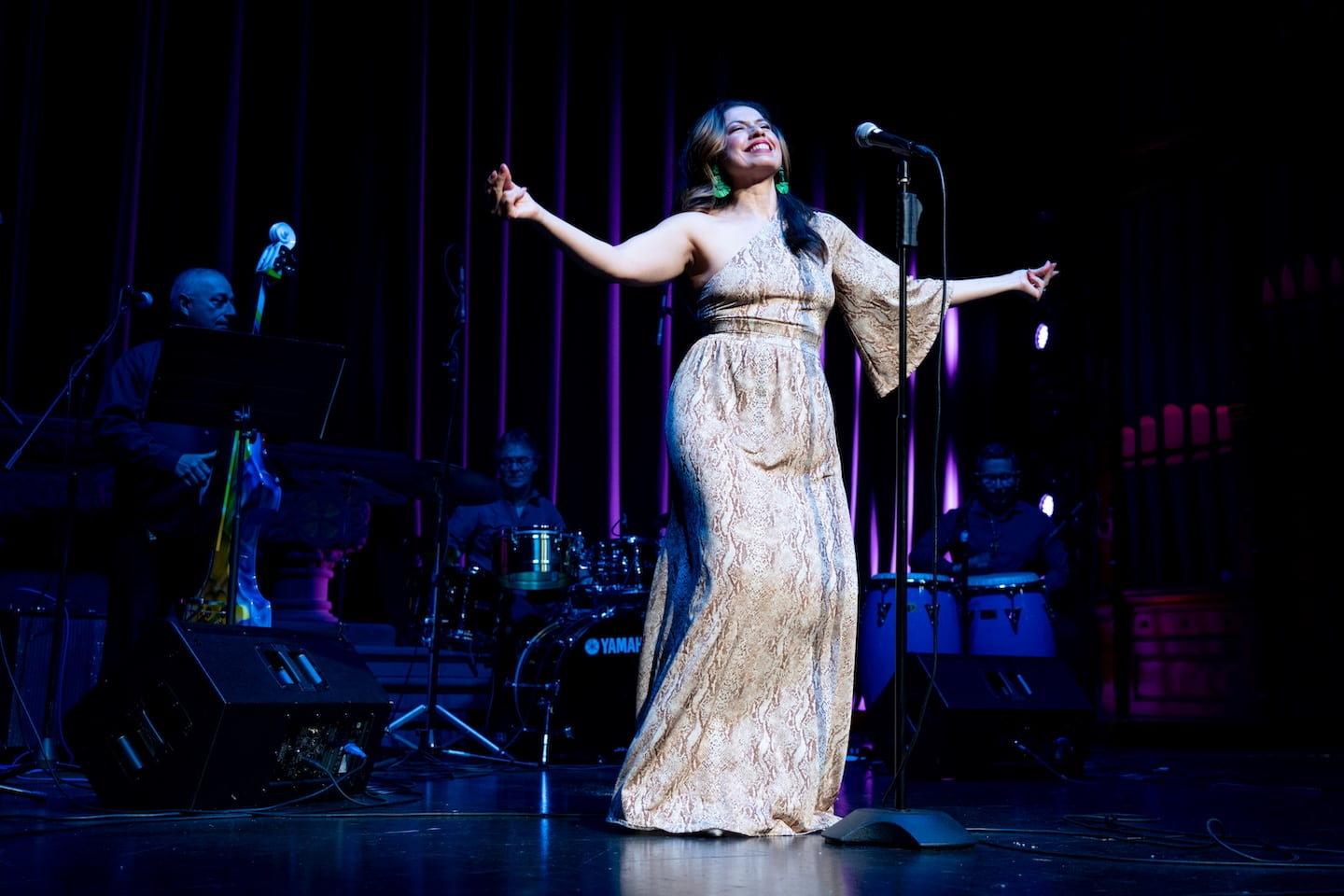
Sandra Delgado in performance, where music and storytelling meet
When you create your own work, La Havana Madrid, The Sandra Delgado Experience, and Hundreds and Hundreds of Stars, what part of your soul shows up that we might not see anywhere else?
For me, there is nothing like live performance. We gather together in the dark and we experience something together that will never be repeated again. I create works that become spaces of connection for all. So, I guess what you see is me in my purest form, the me that is the nurturer, a spiritual guide of sorts, who wants you to be filled with joy and love for yourself and others. It’s the part of my soul that is gonna get you to open your heart, open your mind and maybe even a dance a little before the night is through.
We celebrate living with purpose and presence. What practices help you stay grounded and aligned when your life gets full or demanding?
I have been practicing Yoga Nidra for over five years now. Yoga Nidra is a deeply restorative guided meditation practice that I discovered for myself during the first year of the pandemic. The theatre and TV/film industries had shut down. Projects I had in development disappeared. I was left wondering if this was a sign to step away and go back to school to become a therapist. I became deeply depressed, and Yoga Nidra saved my life. This practice is all about regulating your central nervous system and balancing your cortisol levels. It helps your body’s response to stress. The goal is to be as comfortable as possible. You lie in bed, and you close your eyes. I started doing it morning, noon, and night. It has made a huge difference in my life. I do it daily, and still sometimes twice or three times a day, depending on what is going on in my life. I recommend it to anyone who will listen!
What does beauty mean to you these days, beyond the surface? The beauty you feel, notice, or choose in your everyday life.
I went through some health issues earlier this year that made me reset and rethink everything. Most importantly, how lucky I am to wake up every day. Beauty right now is gratitude. And yes, gratitude for the big stuff, but even more important for me right now, gratitude for the small stuff. Getting extra time in with my daughter by taking her to school, walking my dog in the sunshine, feeling my body regain it’s strength back, coffee with a friend, looking for recipes to cook for my family. Noticing and taking in all the little, everyday stuff that makes up your life—that is beauty.
What does ‘living your best life’ look like for you right now, in its most honest form?
Living my best life right now means creating memories with my friends and family over good conversations, good food and lots of laughter. It means speaking my mind, standing up for what I believe in, and living my values every day through kindness, generosity, and strength.