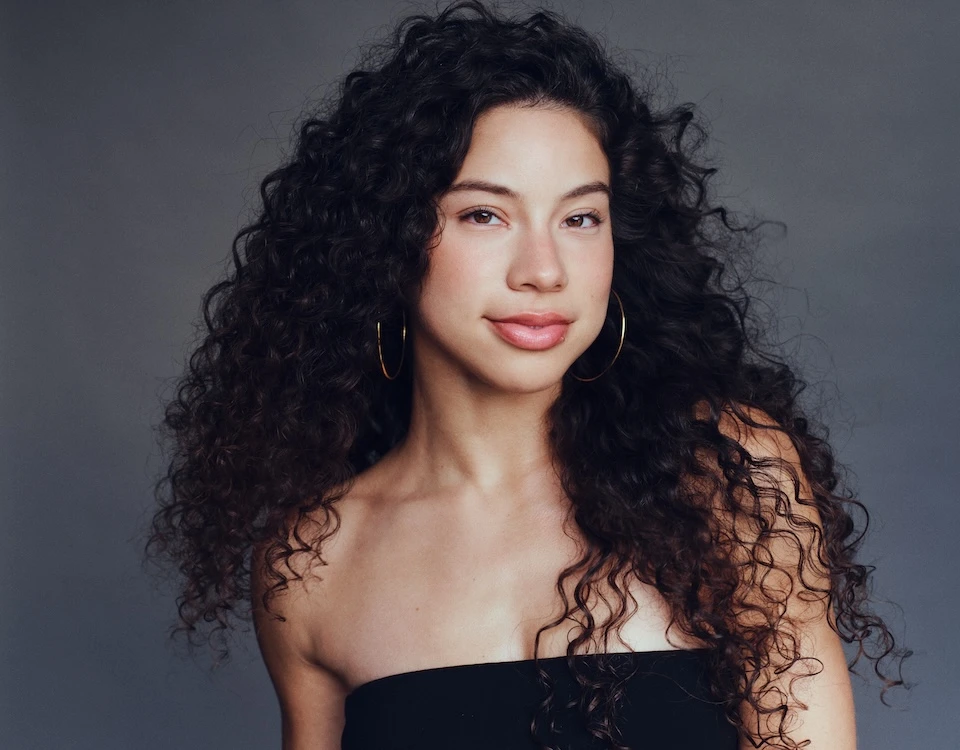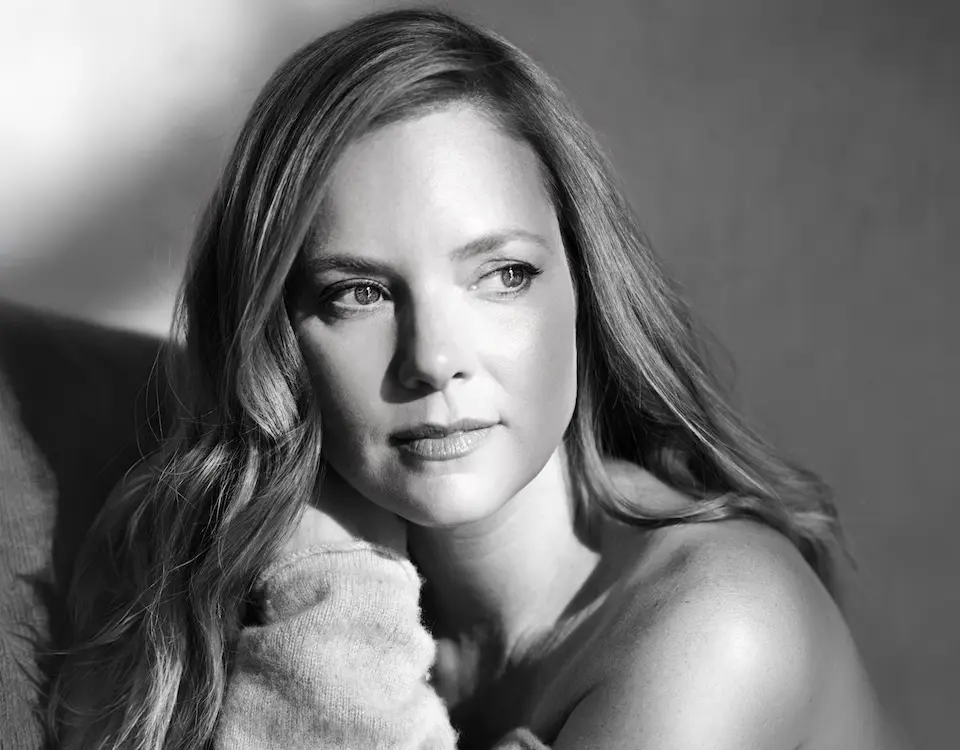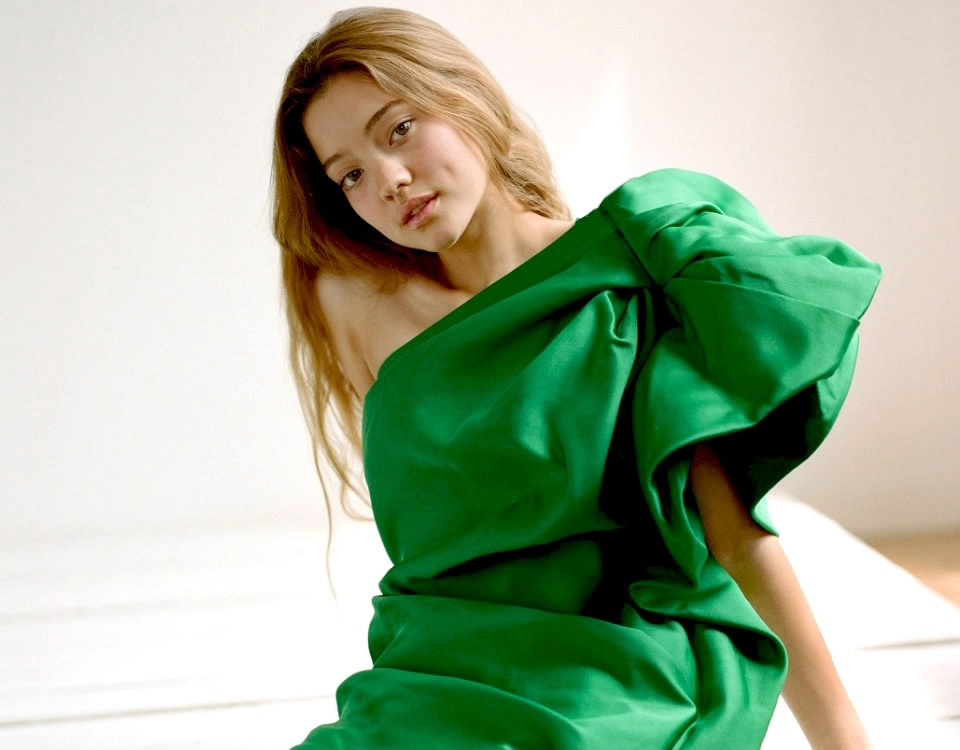
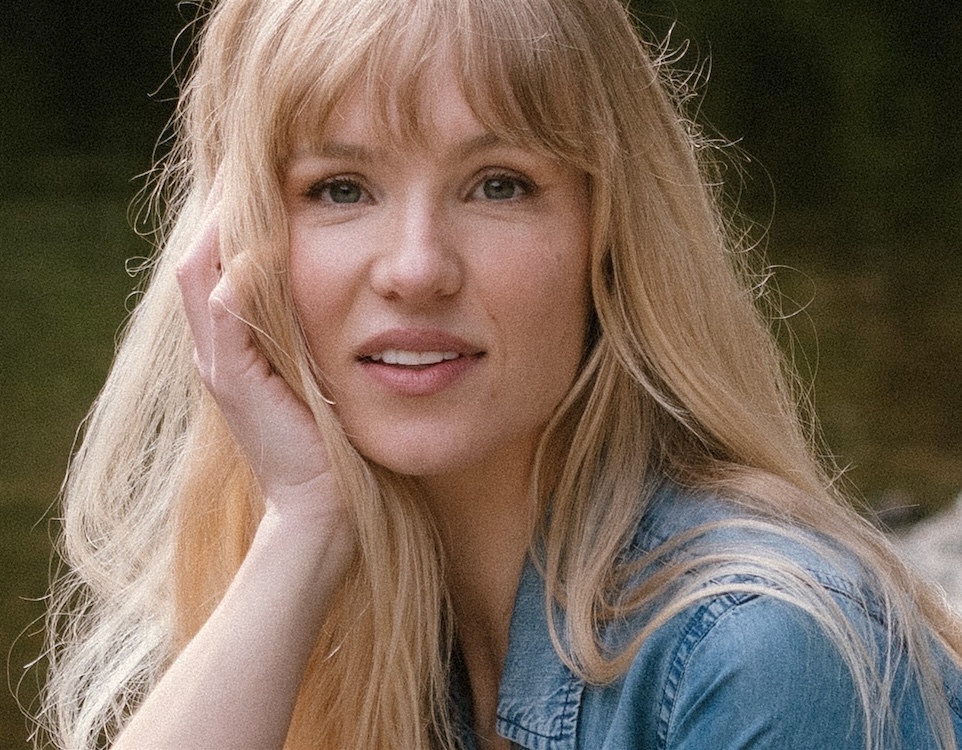
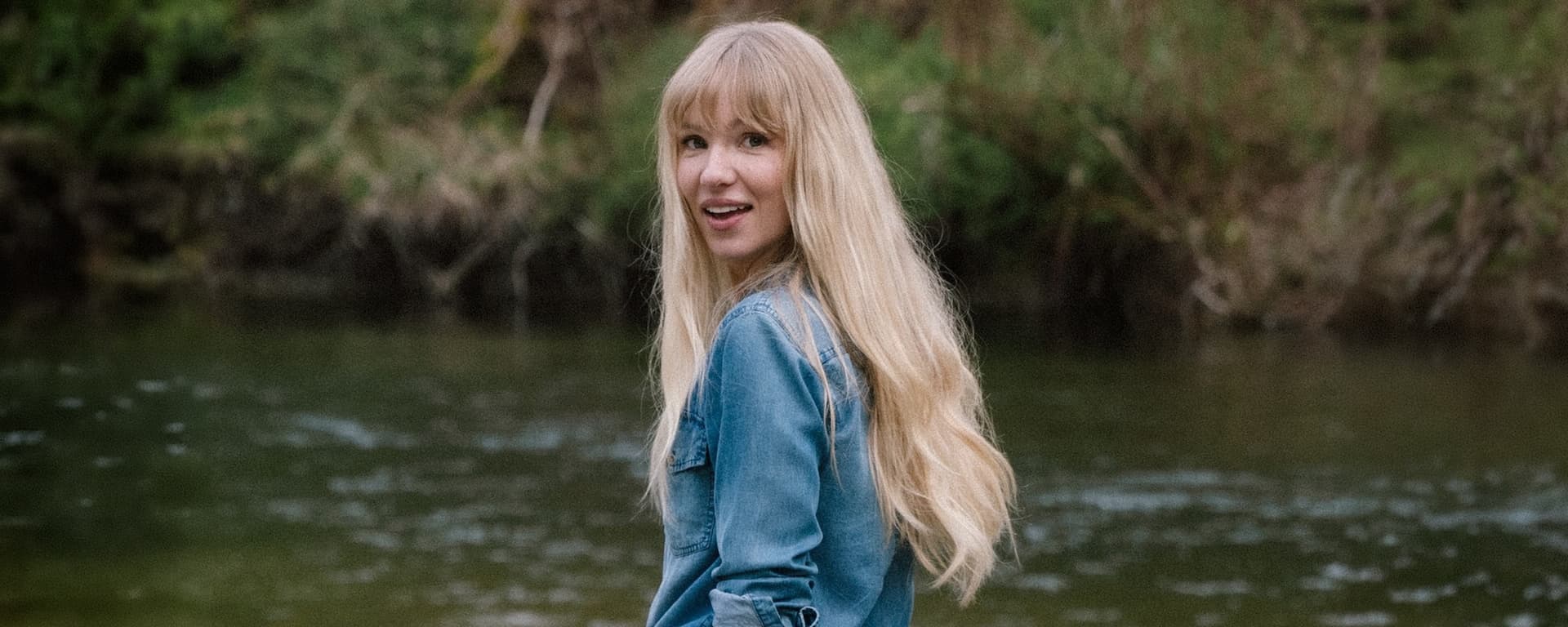
DEBS HOWARD:
THE QUIET STRENGTH
OF ARRIVING

A defining moment shaped by consistency, instinct, and a quiet belief in her own timing, where years of steady work begin to align with something larger, revealing not just where she is, but who she has become along the way.
PHOTOGRAPHY BY PAIGE OWEN

“FOR ME, READINESS DOESN’T ALWAYS FEEL LIKE CONFIDENCE. SOMETIMES IT JUST FEELS LIKE SHOWING UP ANYWAY AND TRUSTING THAT YOU’LL MEET THE MOMENT ONCE YOU’RE IN IT.”
DEBS HOWARD, ACTRESS
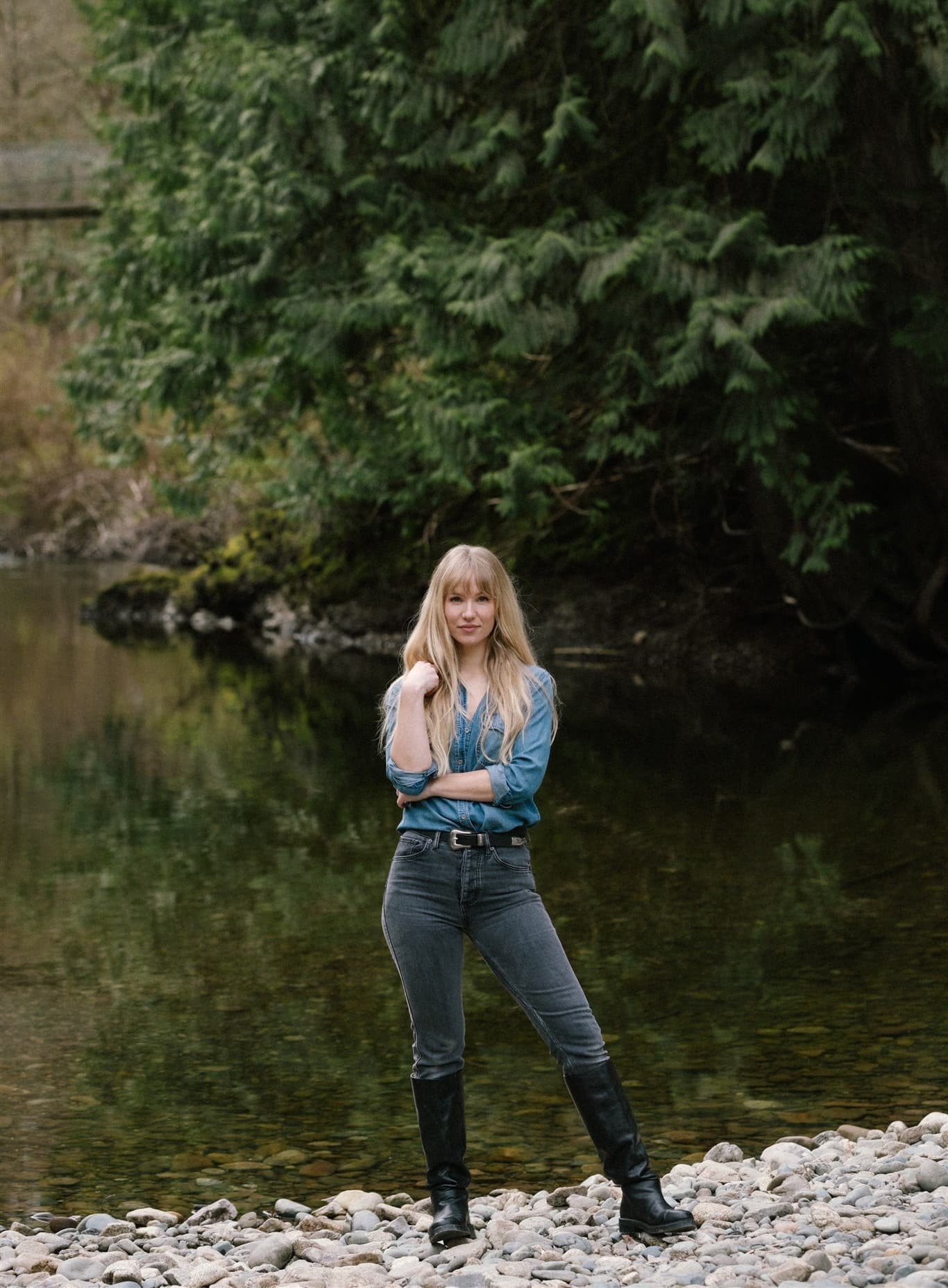
What begins to change first is not always visible. For Debs Howard, it began as a quiet shift in how she saw herself, long before anything in her career reflected it back.
Seeing the names attached to Die My Love did not immediately register as an opportunity, but as disbelief, a quiet pause where something within her had to catch up to what was being offered. It is a moment many artists experience but rarely name: the space between being ready for something and fully recognizing that you are.
Her work leading up to this moment hasn’t been defined by one role, but by a range of performances across film and television, from projects like Hint of Love, The Proposal Spot, and The Honeymoon Pact, to more recent appearances in The Hunting Party and Private Eyes West Coast. There is a consistency in the way she has approached each one, not as steps toward something, but as a way of staying close to the work, allowing it to shape her as much as she shapes it.
From the outside, moments like this can appear sudden, as if everything shifts at once. From within, it feels different. You begin to recognize how much has been building quietly over time, long before anything begins to open.
Stepping into Die My Love alongside Jennifer Lawrence and Robert Pattinson, in a film shaped by Lynne Ramsay and supported by Martin Scorsese, places her within a wider global conversation. Yet what defines this chapter is not the scale of the moment, but the way she meets it, with an awareness built over time. Her career has not been shaped by sudden leaps, but by a steady commitment to the work, where each role deepens her understanding of herself rather than pulling her away from it.
There is a responsibility that comes with that kind of growth, one that extends beyond performance and into how you hold yourself through it. When she speaks about the emotional demands of her work, it doesn’t come across as heavy or overstated. Instead, there is a steadiness—a quiet awareness of what it means to give yourself fully to something, and just as importantly, to know how to return to yourself afterward.
It is not about pushing further for the sake of it, but about knowing when to stay, when to step back, and how to remain grounded as everything around you begins to expand.
This is where she finds herself now—not at the beginning, and not quite at what others might call arrival, but in the middle of something that feels both earned and still unfolding.
“I THINK WHEN YOU FOCUS TOO MUCH ON OUTCOMES, YOU CAN START MAKING CHOICES OUT OF ANXIETY OR STRATEGY INSTEAD OF CURIOSITY.”
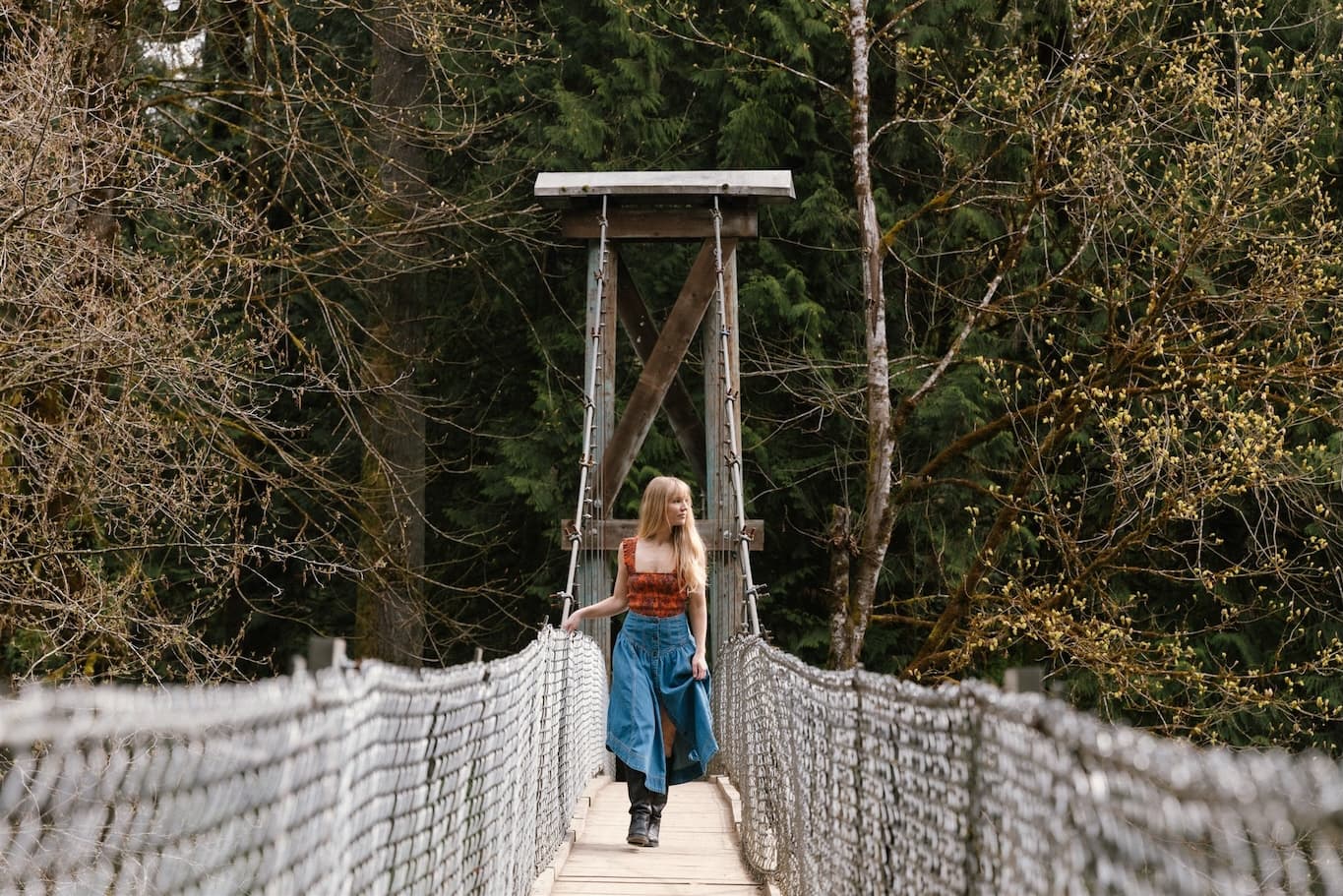
When you first saw the names attached to Die My Love, there was a moment of disbelief. What did that moment reveal about how you had been seeing yourself up until then?
Well, after I had gotten over the intense feeling of imposter syndrome I had, I think I realized that I hadn’t pictured myself being in rooms like that yet — or working alongside industry heavyweights like Lynne Ramsay, Martin Scorsese, or Jennifer Lawrence — incredibly talented people with immense experience. And this wasn’t in a negative way toward myself, but just in a way that it had still felt a little outside of my day-to-day reality. Maybe I wasn’t dreaming big enough or shooting high enough, or maybe I was selling myself short in a way, up until that point.
Ultimately, it didn’t really change how I saw myself overnight, but it definitely expanded what felt possible in a more tangible way.
There’s often a space between being ready for something and fully recognizing it when it arrives. How did you move through that in this experience?
I think a lot of it comes down to trusting yourself, which is far easier said than done! But I really believe that I have been true to myself and lived authentically, following my passion, and that has come with a lot of practice and grinding. So whether or not I felt ready was sort of irrelevant to me, because I had to just trust that all those years of dedication were going to pay off, and had landed me in the position I was in. I just continued to focus on what I could control — showing up prepared, and savoring the moment as much as possible.
For me, readiness doesn’t always feel like confidence. Sometimes it just feels like showing up anyway and trusting that you’ll meet the moment once you’re in it. And I think that’s what happened here — the recognition kind of caught up after the fact.
Your work has unfolded across different genres and formats. What has staying close to the work, rather than chasing a specific outcome, taught you about yourself?
It’s taught me that I love people! I’m a people person. I just want to work with people. I learn so much every time I am on set and collaborating with someone new. It’s taught me that I just really love the process of creating more than anything else. I think when you focus too much on outcomes, you can start making choices out of anxiety or strategy instead of curiosity. If I’m too attached to outcomes, I tend to just get in my own way somehow.
I think it also takes some pressure off — not every job has to be “the one.” Some of them are there to teach you something, or connect you with others, or humble you a little, which is always a good time.
From the outside, moments like this can seem sudden. What had already been building in your life or craft before this opportunity arrived?
A lot of behind-the-scenes grinding that is not cute or cinematic at all. Just years of auditions, self-tapes, classes, crying, small victories, binge eating chocolate ice cream, calling in favours with friends to watch my kids or help with a self-tape. But also just experiencing life and all it’s colours — the good, the bad and the ugly. The more life we live, the more we can pull from when we are creating a character or finding our place within a story.
Throughout the years, though, I was also building confidence in my process. Just knowing how I work, what helps me, what doesn’t. So when this came along, it didn’t feel like I was starting from scratch. It felt like, “Okay, this is what I’ve been practicing for, and I am meant to be here.”
Working with Lynne Ramsay creates a very specific kind of environment. What did that feel like for you, and how did it shape the way you approached your role?
Working with Lynne Ramsay felt incredibly freeing. There’s no chaos or pressure to prove anything. You’re just kind of trusted to do your job, which of course is both amazing and slightly terrifying, because you can’t hide behind anything. It made me lean more into instinct and not into “performance”. Lynne creates an atmosphere where you can just really listen and exist in the moment, and that trust allows things to come through that feel a bit more raw and honest. She’s confident in her own abilities but also confident in yours. It was calm, empowering, and fun.
“I CARE A LOT ABOUT THE WORK, BUT I CARE EVEN MORE ABOUT BEING A FUNCTIONAL HUMAN BEING, SO I CAN’T SEE MYSELF EVER FULLY LOSING MYSELF TO A PROJECT OR A ROLE.”
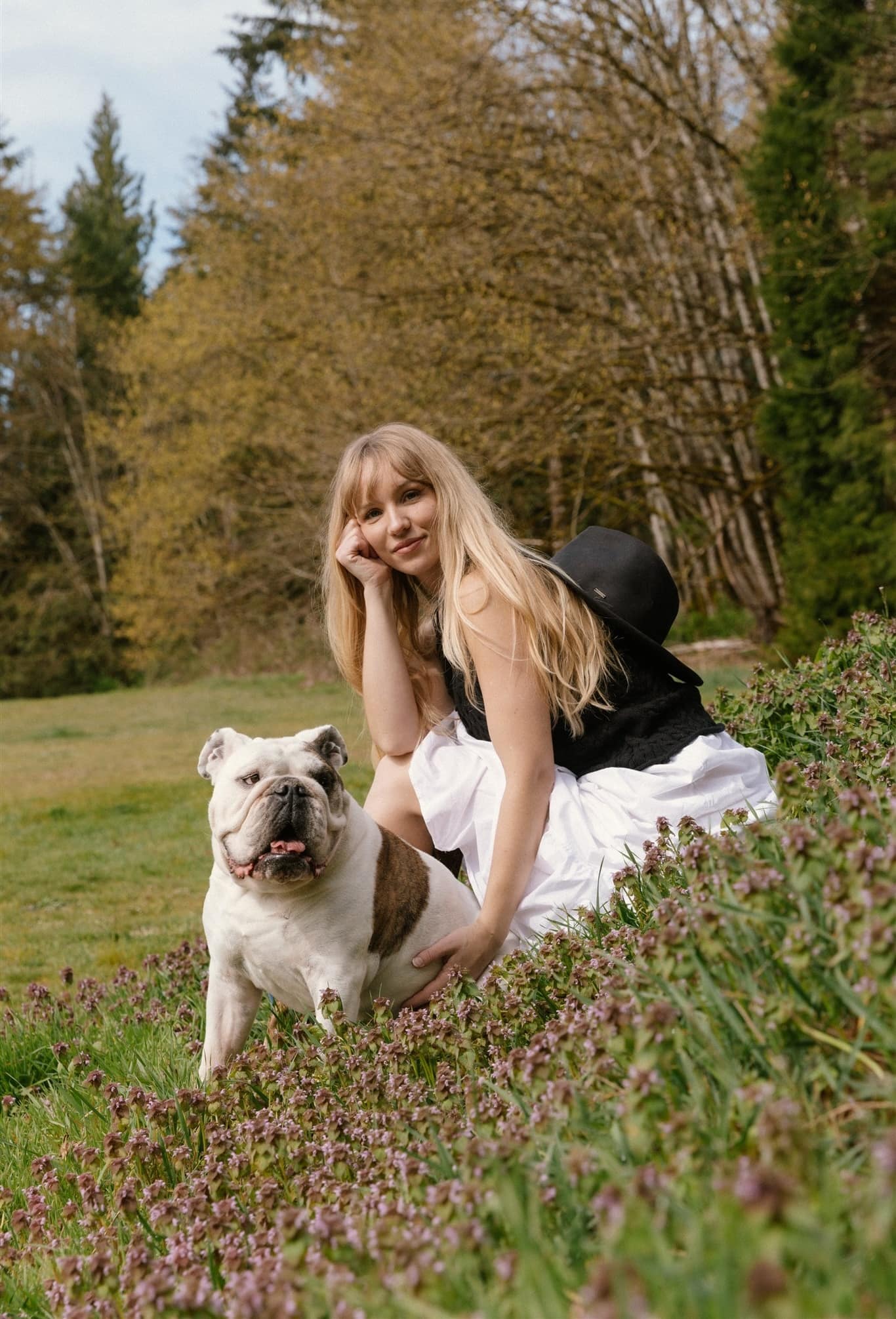
When you speak about the emotional side of your work, there’s a strong sense of care. What helps you return to yourself after giving so much to a role?
If anyone needs tips on how to return to yourself and stay grounded, just get some kids around you. Your kids, someone else’s kids, any kids. They will bring you right back to reality! From addressing my “floppy butt” to demanding snacks, my kids ground me very quickly in what’s real and what actually matters.
But in all seriousness, there’s something about stepping back into your most important relationships that reminds you that you’re more than whatever you just explored emotionally. It kind of resets your perspective. And honestly, if I am having a hard time shaking the emotion of a scene, I find simple things help too. Laughing, being outside, doing something completely unrelated to work. I care a lot about the work, but I care even more about being a functional human being, so I can’t see myself ever fully losing myself to a project or a role.
There’s a line between fully stepping into a character and knowing when to step out. Is that something you’ve learned over time, or are you still discovering it?
Definitely still figuring it out. I would love to say I have a very wise, structured answer here, but I don’t.
I think earlier on, I probably dived deeper into roles than necessary because it felt like the “serious actor” thing to do. Now I’m a bit more like, “Okay… let’s all relax.”
Every character I play has a bit of me in her, so I’m never lost in it. That makes it easy to step out of character when I need to. That being said, I’m about to audition for a psychopathic serial killer, and I am having a hard time seeing how I relate to this one… which I guess is a good thing?
As more people begin to see your work, how do you stay connected to your own direction without being pulled too far by outside expectations?
To be honest, I have no idea what my direction is! I feel like I have zigged and zagged like crazy across the span of my career. Sometimes I have felt like I am on the right path, and sometimes I have felt very off course. But I do know that when I am connected to living authentically, as messy and imperfect as it may be, any outside noise gets a whole lot quieter. And I am actually okay with my direction not being clear or straight - I think that makes it more interesting. Frustrating sometimes, but ultimately— more stories to tell.
I am absolutely aware of outside expectations, and I want to keep growing within my career, but I generally don’t let any of that dictate my choices. The work has to feel right to me on some level, or it’s very hard to show up honestly. So I check in with myself a lot and staying in that dialogue helps me stay grounded.
As your life expands, what have you felt the need to hold onto more closely?
Definitely my sense of perspective. It’s easy for things to start feeling very big and very important, and sometimes they are — but not at the expense of everything else.
My relationships, my values, a sense of humour… those are the things that keep everything balanced. I try to hold onto those pretty tightly.
As your work asks more of you, what does taking care of yourself start to look like in a real, everyday way?
It’s honestly pretty basic — sleep, food, being creative, talking to people I trust, nothing groundbreaking.
I think I used to assume it had to be something more structured or impressive, but it’s really just the small, consistent things. And sometimes it’s just knowing when to step away and not take everything quite so seriously, which I’m still working on.
Are there small rituals or routines you return to that help you reset and feel like yourself again after work each day?
I don’t have anything super ritualistic, but I do love a very dramatic “end of day” reset. Like washing everything off, putting on comfortable clothes, and mentally being like, “That’s enough for today.”
And then just normal life things — wrestling with my kids, chatting with my husband, calling family, watching something completely unrelated (truly, any of the Real Housewives franchises). Anything that reminds me that the world is not just whatever intense scene I was in two hours ago.
At this point in your life, what helps you stay connected to yourself as everything around you expands?
I think it’s staying honest with myself, even when things are changing. Not trying to rush into a version of who I think I’m supposed to be next.
And again, the people in my life play a huge role in that. They know me outside of any of this, and that’s incredibly grounding. At the end of the day, I’m still the same person, figuring things out as I go. The scale of certain things might change, but the part of me that’s always sort of happily flailing around doesn’t really go away — and I think staying connected to that is what keeps everything feeling real. I want to always stay curious and creative about it all.