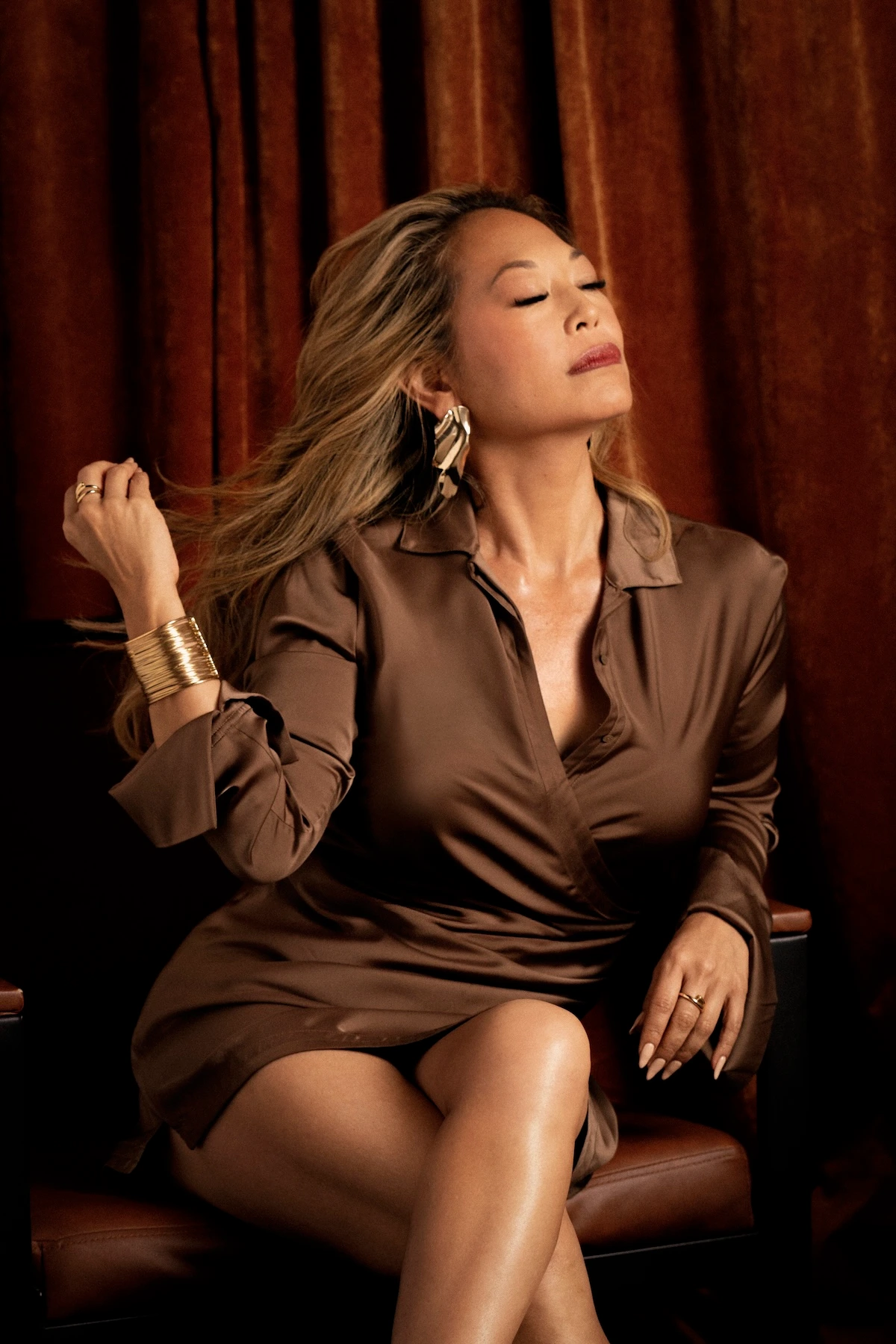
AILSA CHANG IN HER OWN VOICE

Ailsa Chang speaks to millions each day, guiding conversations that shape how we understand the world, but what you hear now is something far more personal, a voice that has been lived in and claimed on her own terms.
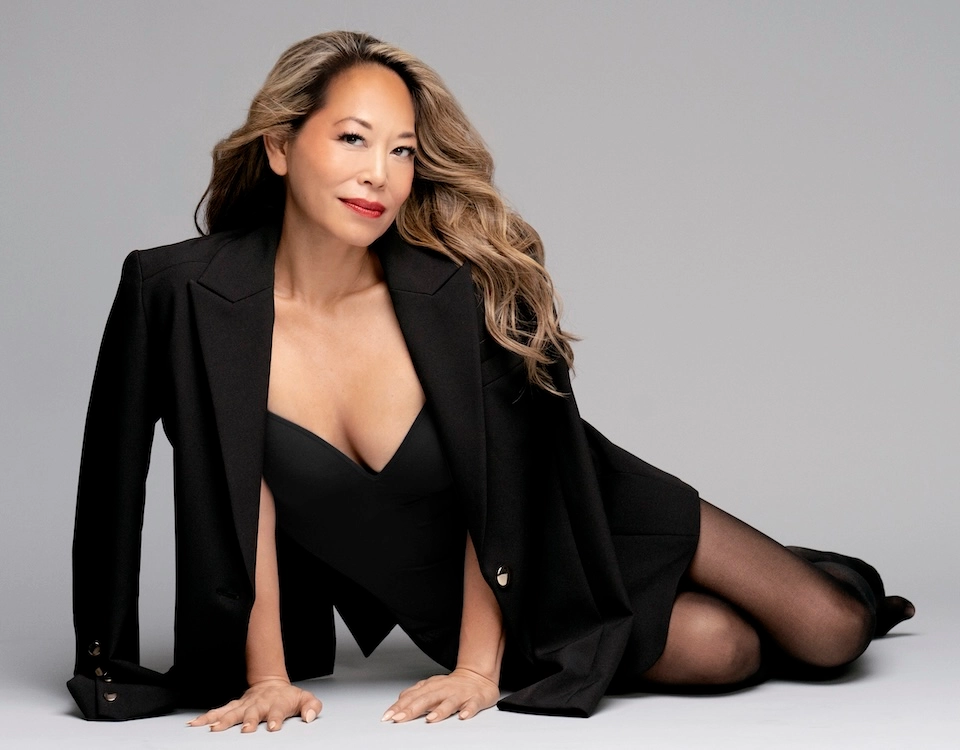
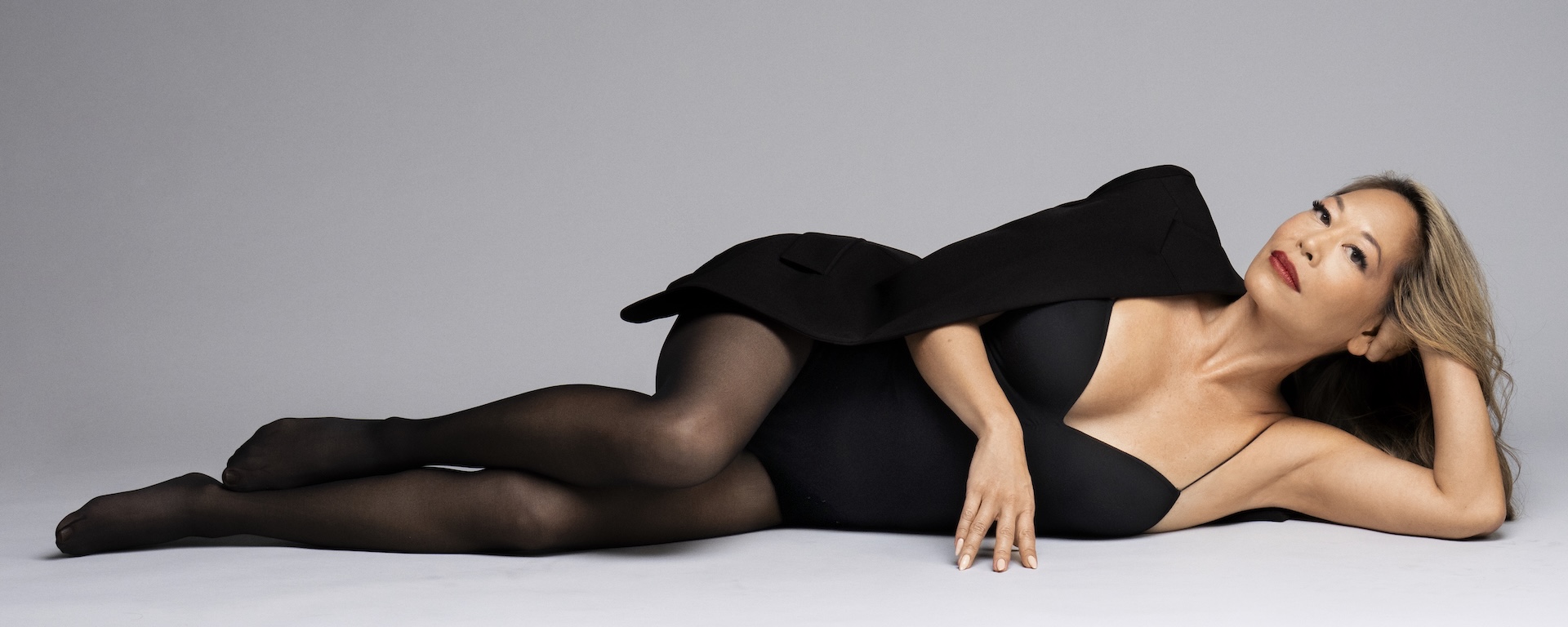
PHOTOGRAPHY BY ELISABETH CAREN
MAKEUP BY ZARA KAPLAN WALSH / HAIR BY KRISTIN MERKLING / STYLE BY ANGEL TERRAZAS

“WHEN YOU SEE THAT YOU HAVE A LIFE SHINING WITH HAPPINESS AND PURPOSE AND LOVE—A LIFE THAT YOU CHOSE AND BUILT FOR YOURSELF, THAT IS POWER.”
AILSA CHANG, JOURNALIST AND CO-HOST OF NPR’S ALL THINGS CONSIDERED
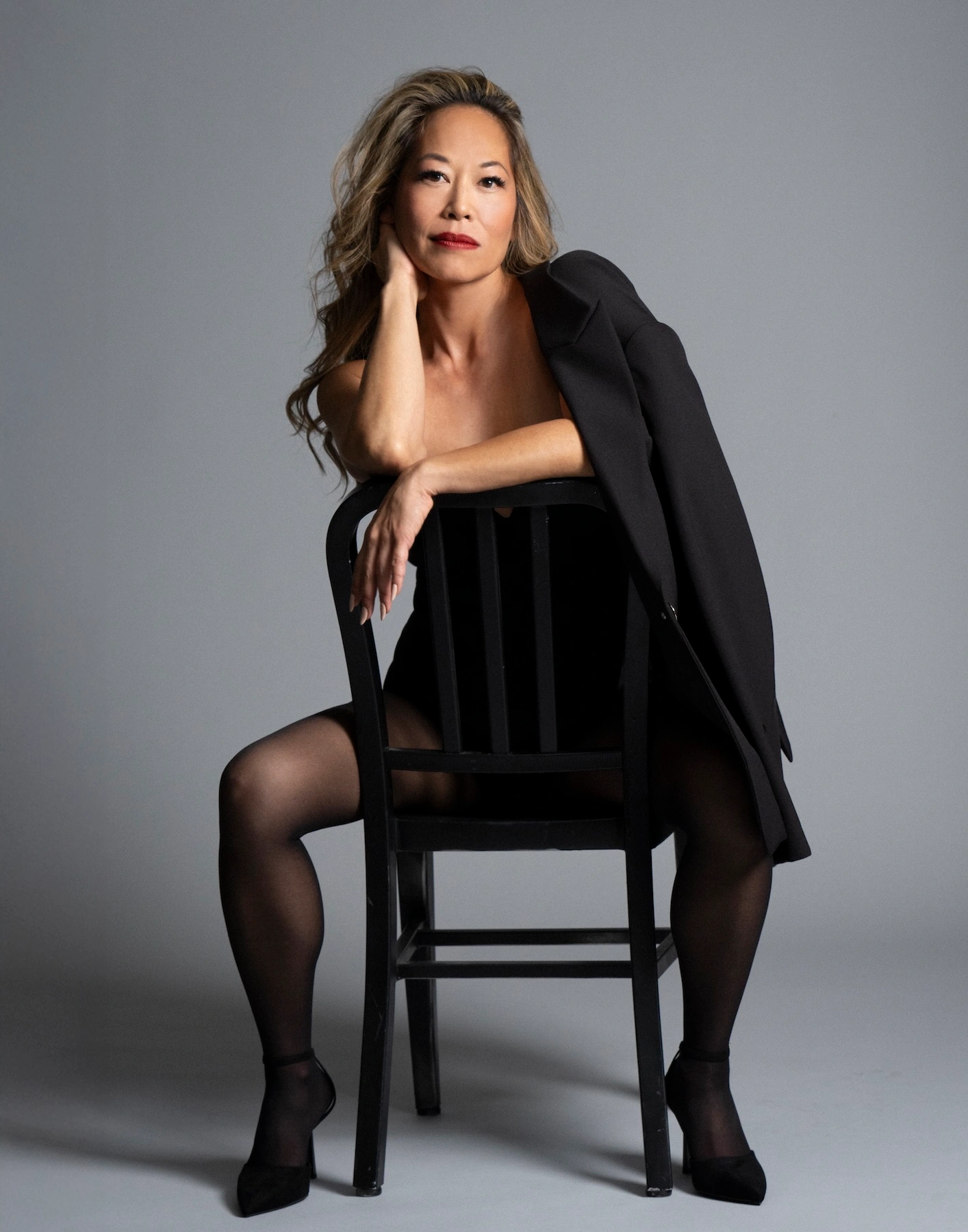
For most of her life, Ailsa Chang understood how to succeed, not abstractly, but with the clarity that comes from following a path that is both well-defined and widely affirmed. Achievement came through discipline, focus, and a deep internalization of what it meant to do things well, and she moved through each stage of her early life with a precision that made sense to everyone around her. Law, in many ways, was a natural extension of that trajectory, offering intellectual rigor alongside the kind of external validation that can quietly shape your identity before you ever stop to question whether it belongs to you.
What is harder to articulate is the moment when that sense of alignment begins to slip, when a life that looks complete on paper starts to feel subtly, then unmistakably, out of sync with something deeper. For Chang, that realization did not arrive with clarity or a next step already in place. It came as a quiet unraveling, an awareness that the version of herself she had worked so carefully to build no longer felt inhabitable, and with it, the weight of stepping away from a life that had made her and the people around her feel certain.
Leaving law was not a clean break so much as a stretch of time where very little felt steady. The structure that had once guided her began to fall away, along with the certainty she had relied on for years. Approval did not disappear overnight, but it shifted, and in its place came doubt, along with personal changes unfolding at the same time that made everything feel even less defined.
It was the kind of in-between period people do not always know how to name, where identity feels unsettled, and the future resists a clear shape. Nothing dramatic on the outside, and yet internally everything is moving. Somewhere in the middle of that, without a single defining moment to point to, something quieter began to emerge. Not clarity exactly, but a return to instinct, to curiosity, to a version of herself that felt more grounded, even if it was still taking form.
Journalism entered her life almost by accident, but it offered a kind of freedom she had not experienced before, the ability to move between ideas, to follow a question without needing to resolve it immediately, to engage with people in a way that felt open rather than confined. It also asked something different of her, not perfection or performance, but attentiveness. The kind that requires listening closely, holding complexity without rushing to simplify it, and allowing space for what does not resolve neatly. Over time, the work became less about a career shift and more about something deeper, a way of reconnecting with parts of herself that had been quieted by expectation.
What makes that evolution feel especially striking now is the way she inhabits this moment of her life. There is a visible ease, a sense of arrival that does not come from achievement alone, but from having lived through enough to trust it. She has spoken about feeling more in her power than ever before, more comfortable in her own skin, more connected to her own vitality, and that awareness shifts the way her presence is felt. It is not just confidence. It is ownership.
Now, as the voice behind NPR’s All Things Considered, one of the most recognizable news programs in the country, Chang carries conversations that move between urgency and intimacy with a steadiness that feels both practiced and deeply personal. What gives that voice its resonance is not only her ability to ask the right questions, but the life behind it, the lived experience of someone who has moved through expectation, through uncertainty, and into a more grounded sense of self that no longer depends on external approval.
There is a confidence in the way she carries herself now, one that feels less like something performed and more like something lived in. It shows up not only in the way she speaks, but in the way she allows herself to be seen, fully and without apology, as someone who has earned her place not by following a prescribed path, but by stepping away from one. There is a quiet but unmistakable sense of “here I am” in that. In many ways, what you hear when you listen to her is not just a voice shaped by time or training, but the result of a much longer, more personal process of becoming.
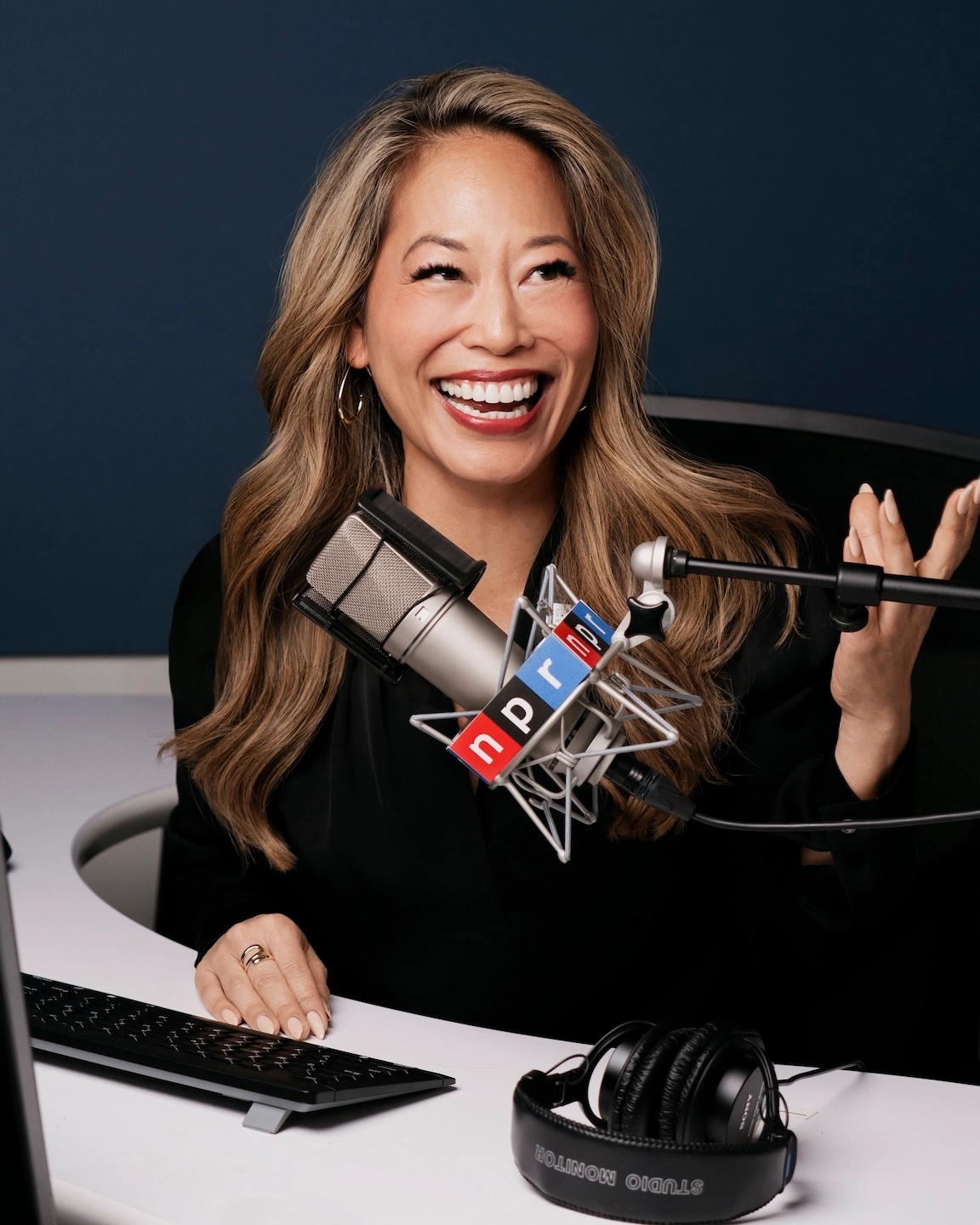
“Who I am on mic and who I am off mic do not need to be — and should not be — one and the same person. I will always be some curated version of myself on the show. I will always save something of myself—for myself.”
You spend your days creating space for others to be heard. Do you feel you can show up honestly now, without filtering yourself through expectations?
If we’re talking about how I show up on mic, I’m never completely unfiltered. I can’t be, for one. The FCC won’t let me, ha. My professional training as a journalist won’t let me.
But I don’t aspire to be unfiltered on air. Who I am on mic and who I am off mic do not need to be — and should not be — one and the same person. I will always be some curated version of myself on the show. I will always save something of myself—for myself.
Where I draw the line between the internal and the external has moved over time, though. I do share more of myself on the mic now than ever before. And I like how freeing that feels in moments. But when you are part of a storied institution like NPR, the pressure to embody the institution and its legacy—and all the values that get wrapped up in that—is real. And that pressure will always somewhat constrain me. But that’s okay – I get to be the other parts of me when I walk out of the studio. It’s alright if not all of me fits under what it means to be “NPR.”
I do understand where this question comes from, though, because radio is such an intimate medium. A listener can feel they are in conversation with you—and so they want to know you. They want to picture the voice they hear as a full human being. And I am grateful for that – in so far as it’s an invitation to reveal pieces of who I am. But I’ll never give away all of me.
Much of your early life was shaped by achievement. When did you start to separate who you are from what you were expected to be?
I suppose this moment arrived when I was a lawyer at a law firm in San Francisco, in my late 20s. I was surrounded by extremely impressive, high-caliber legal minds. And I thought, “This is the community I want to be identified with.” I had been a reflexive overachiever up until that point, but I had rarely questioned whether what I was achieving was earning me actual happiness.
When I landed at that law firm—and realized how alienated I felt from the work, how detached I felt from the office culture, and how arbitrary it felt to seek validation from those bosses—I sank into a depression. Because I was so confused. I had always been excellent at executing the plan and fulfilling expectations. So it was really disorienting to have completed what I set out to do and to feel so profoundly unfulfilled by the accomplishment.
But what a gift to be shaken to the core like that. To feel so stripped down. I realized that I had never asked myself—in all my years following the plan—what kind of work gives me meaning, purpose, and fulfillment. What kind of life gives me meaning, purpose, and fulfillment? And so, since my 30s, these have become the questions that consume me. And the answers continue to evolve. I hope that’s growth.
You’ve spoken about the weight of disappointing your parents during that period of change. How did that reshape your relationship to approval, both from others and from yourself?
I’d be a liar if I said the need for external validation has disappeared. It’s always there — but its weight on my core self-image has lightened over time.
And yeah, so much of this lifelong process of shedding the need for approval — as you intuited correctly—is directly tied to my need for validation from my parents. They were devastated when I quit the law. As far as they were concerned, they felt they had done everything right to position me for success — and to them, I squandered all of that by stepping away from my path.
I know I am not unique in saying that the weight of expectation is heavy when you’re the child of immigrants. You are so acutely aware of what they sacrificed, what they struggled through, and what their dreams were — it’s easy to feel that your very existence is a continuation of their story. It is easy to assume that the life you live and the choices you make must prove that their hardships and their traumas were worth it.
My parents were very demanding of me growing up. My brother and I were very loved. We were showered with concern, protection, and security. But my parents were very hard on us. They expected excellence. They expected hard work. They expected us to shine. It felt non-negotiable to be any other way.
So I internalized those expectations. I was the kid who got into Harvard, Stanford, Princeton, and Yale. I made it happen because I wouldn’t have it any other way.
I developed such a deep need for my parents’ approval; it sometimes meant pushing down my own voice. But of course, there was a breaking point — there always is. Getting divorced before I turned 30, then stepping away from the law shortly after that — these were my first acts of defiance against the constant need for my parents’ approval. Weathering through those years immediately after was so difficult with my mom and dad.
But slowly, the rift has healed. The older I get, the more I learn about their own childhoods — and therefore, the more I can understand them with empathy and compassion. So much of the pressure they placed on me was about the pressure they placed on themselves and about what remained unresolved in their own lives.
And so, to come back to your question, understanding my parents better has been key to quieting the need for external validation. Validation not only from them but from others as well. It is helpful to recognize that the people you seek validation from are often working through their own need for validation. That need just keeps rippling out. We are all just doing our best, trying to figure out how to love ourselves more. Understanding that we’re all caught up in a common struggle has helped diminish the power I used to give others over me.
Your voice is widely recognized, but there is also a presence behind it. When did that begin to feel true to who you are?
It’s all about learning which feedback to internalize and which to kiss goodbye. Isn’t that one of life’s hardest challenges?
I once got an email from a lawyer named John from Houston who said he was a fan of mine but wanted to flag that he noticed an uptick in the rate of my murmurs while responding to guests. He said this was distracting. These kinds of emails just crack me up now. I asked him for an example and to send me a link to an interview where he noticed this, because I was genuinely curious. And he said he couldn’t supply one.
If I could show you the range of feedback I get about how to show up as some idealized version of “NPR Host”—you’d understand why it’s very easy to tell myself over time that I can’t make everyone happy. Some people think I laugh too much. Others say I sound too contentious. I’ve gotten emails about how I overuse the word “issues.” I’ve gotten DMs about how the pitch of my voice is too high. And also DMs about how the tone of my voice drops too low at the ends of my sentences. It’s quite a kaleidoscope. Contradictory feedback, sometimes confusing feedback—and occasionally I’m thinking, ‘Why do you care this much about this random thing to write to me about it?’ ‘Get a life.’ You need to keep some humor and self-awareness about it all. But I still do read the comments. I think it’s important to stay open to thoughtful feedback. It keeps you growing; it keeps you humble.
That said, the constant swirl of feedback I get reminds me that everyone wants different things in the voice they hear on the radio. People want a mix of authenticity, approachability, and authority—but the optimal balance varies for everyone. And how exhausting would it be if I were constantly reshaping my voice to satisfy others? So you learn to wade through the morass and let go of the unreasonable or absurd and pay attention to the sincere and constructive. At the end of the day, hold on to what you like most about yourself. And don’t let anyone mute that.
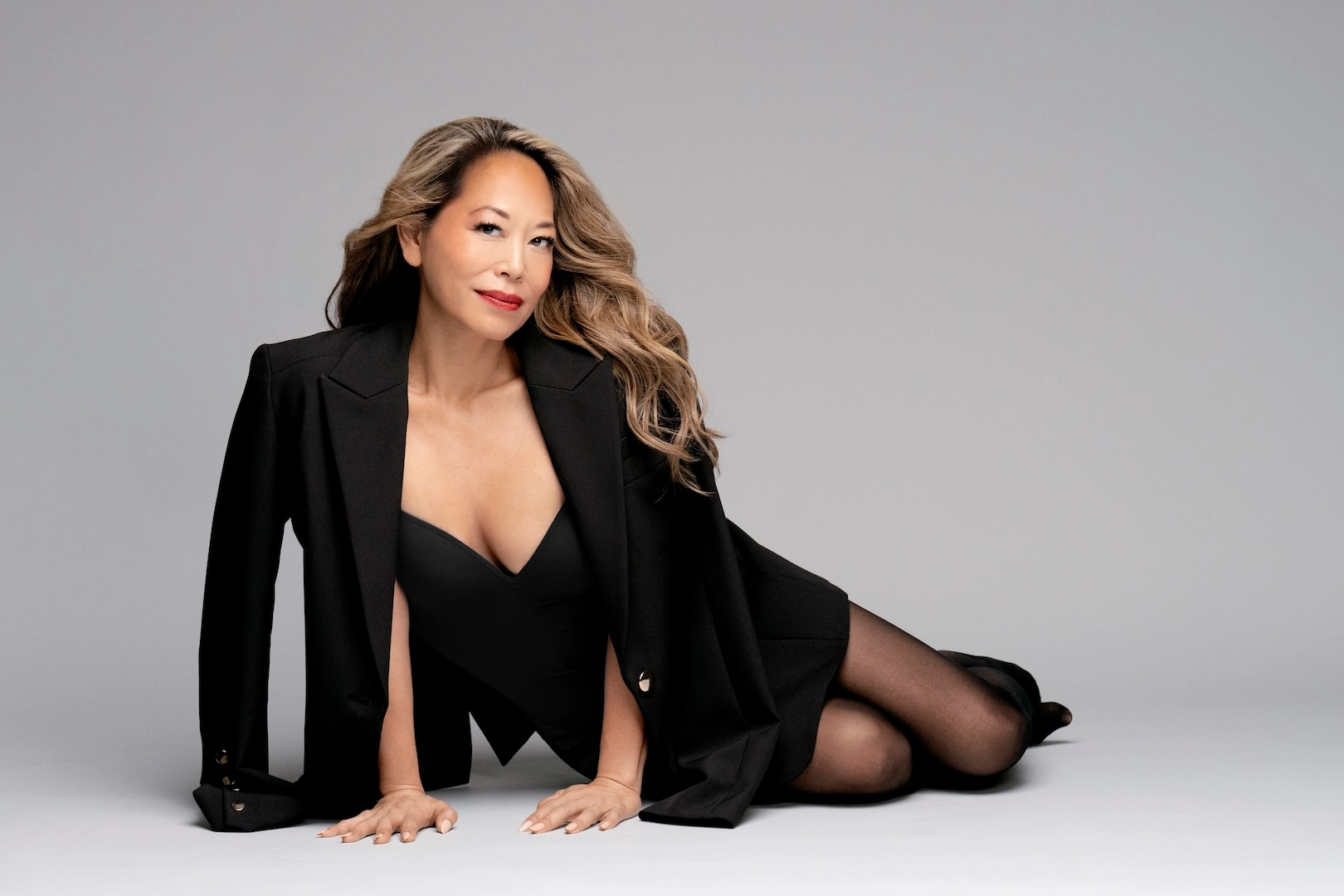
How has your understanding of your identity evolved over time, both personally and in your work?
Growing up in Silicon Valley — where there are a lot of Asians — put the question of racial identity on the back burner. I just didn’t feel all that different from so many of the people around me.
It was later in life, in more white-dominated spaces — like law school, law firms, and newsrooms — that my identity as an Asian American sharpened.
When I became host of All Things Considered in 2018, I became the first Asian American woman to host a news magazine show at NPR. But at the time, I said nothing about being a trailblazer. Neither did NPR. It was like a non-event. Which sort of blows my mind now. Because when Lulu Garcia-Navarro became host of Weekend Edition the previous year, in 2017, NPR really celebrated the moment it finally named its first Latina host. Why was one breakthrough more noteworthy than the other?
When I look back on how silent I was about marking my own achievement as the first Asian American female host at NPR, I feel some shame. I think one of the most pernicious effects of the model minority myth is that it invisibilizes Asian American achievement. The myth presupposes we’re already successful, so why celebrate our breakthroughs or advancements when they happen? I think during much of my life, I internalized the model minority myth. I expected myself to be excellent—so much so that I often forgot to congratulate myself on a job well done.
I credit younger people for reminding me how much my identity guides and shapes how I move through the world. I never spoke about identity much when I was coming up—both as a lawyer and as a young journalist. But I see now how my lived experience shapes how I show up—on and off the mic. And I’m not just talking about my Asian American identity, but also my identity as a woman, as a child of immigrants, as a lawyer, as a Californian, as a younger sister, and as an animal lover. We are so many things at once.
Perhaps these days, the identity that shows up loudest in my brain is the fact that I am a 50-year-old, unmarried woman who chose not to have kids and who lives very happily alone. There aren’t a ton of women like me in my generation, so finding community now with the ones I do find is so incredibly important to me.
You’ve said you feel more in your power and more fully yourself now. What changed?
I think what changed was I was approaching a half-century of life, and that’s when I started realizing I am right where I want to be. For most of my adult life, I have felt out of sync with other women my age. I was married and divorced before most of my friends were planning their own weddings. When I switched careers, I was an intern at a public radio station in my 30s. I chose not to have children as I watched so many of my friends dive into parenthood. For decades, I have felt I was making choices and plans that veered from the script, which was strange and sometimes unsettling for a girl who grew up always following the rules and checking the boxes.
But here’s the cool thing that happened. I quietly and independently began building my own life. Everything important in my life now is something I made happen—by myself, on my own terms. I chose and built my career on my own. I built my reputation. I make my own money. I bought my own house. All my friends who love me, all the friends I love—these are people I collected, on my own, along the way. They are my circle. No one gave me this circle. All the things that make my life feel full, meaningful, and vibrant—I set in motion.
When you see that you have a life shining with happiness and purpose and love—a life that you chose and built for yourself—that is power. That is when you are in your power.
I feel so lucky to recognize this at 50. That is what living a half-century means to me. To see your power, to acknowledge it, and embrace it. For once in my life, I am exactly where I want to be at the age I’m at.
There’s a moment where visibility shifts, where you move from being seen a certain way to deciding how you want to be seen. What did it take to step into that more fully?
This question makes me smile because my mind immediately goes to my dating life.
I have always been good at meeting people where they are, helping them open up, and building rapport. I mean, that’s so much a part of what I do at my job.
And often on first dates, guys come away with this feeling that we had great chemistry. And I’m like, Are you serious? You think we had chemistry? I manufactured that, my dear. I helped you connect with yourself because I know how to ask questions. I know how to exude curiosity. I know how to express empathy. And that got you to click in.
But there is so much labor in that. And it’s so disappointing when that effort isn’t reciprocated. I used to be so focused on nailing the first date that I lost sight of the bigger picture. I lost sight of what I needed—and that was to be seen on my terms. Without the labor. Without the performance. Without the editing. So I started approaching dating differently.
Some men I’ve dated in recent years have said that I intimidate them. Enough men have said this to my face that it’s made me think about how I show up. Do I say intimidating things? Do I act in an intimidating way? If I were a guy—but everything else about me held constant—would I be considered intimidating? I doubt it. It occurs to me that for some men, seeing self-possession in a woman threatens to diminish them. But I refuse to diminish myself so a man can feel larger.
My life feels so good, full and rich now—and the awesome thing is, I built that life on my own. So here’s my evolved attitude about dating: If you want to come into my life, please add value, don’t diminish mine. And if you aren’t capable of doing that, that’s okay. Because I’m genuinely good without you. I have grown to love my own company and the company of the people already in my life. It feels so freeing to know that deep in my bones now.
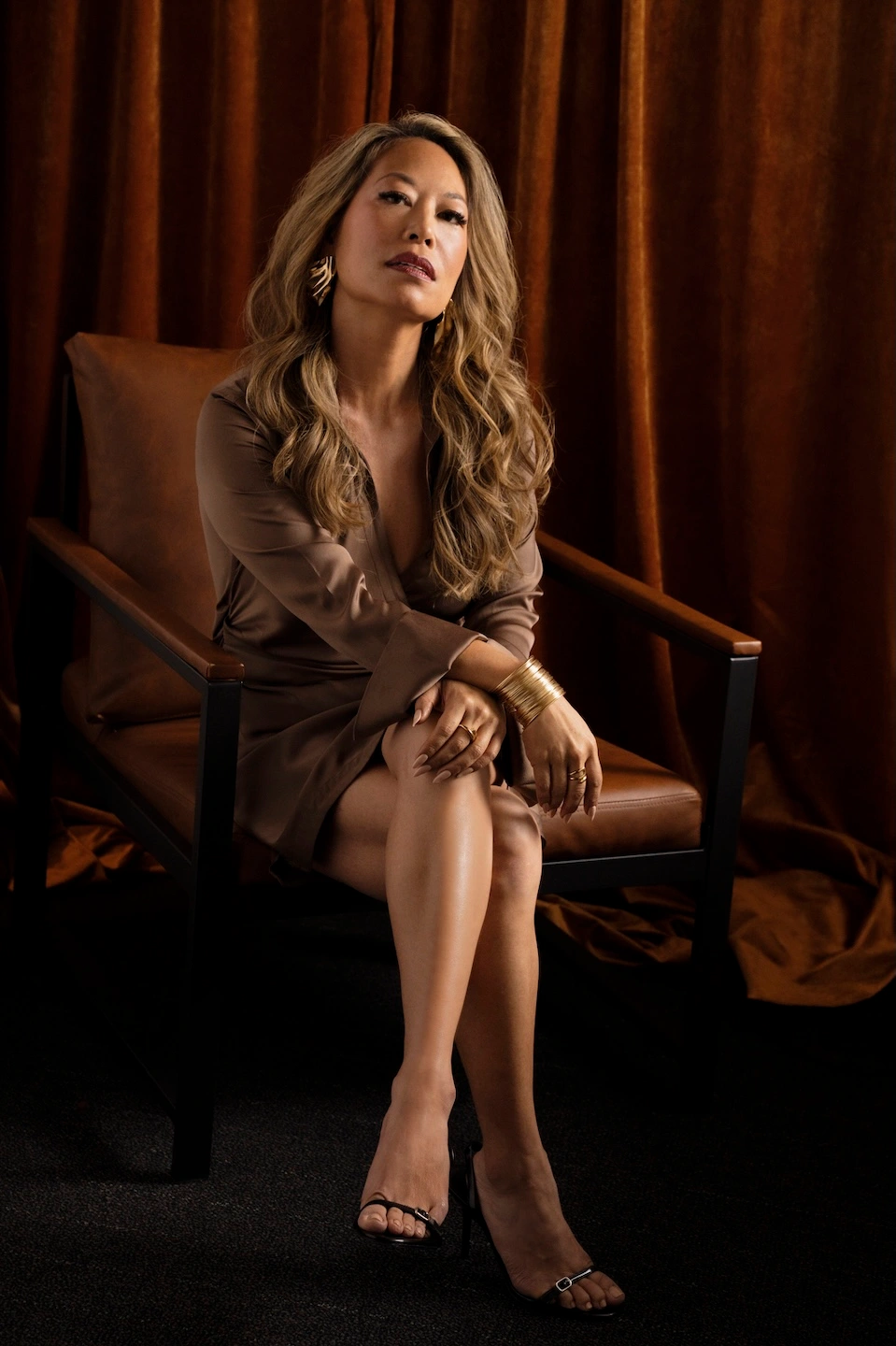
“For once in my life, I am exactly where I want to be at the age I’m at.”
You spend so much of your day in conversation and holding space for others. How do you take care of yourself in a way that feels sustaining, not performative?
I am someone who needs a lot of alone time. And I didn’t realize this until way later in life. I didn’t give myself space to not have plans. Even as I was receiving clues from my brain and the rest of my nervous system that I needed time to be alone in order to recharge.
I have an extremely hyper-social job. Not just because I’m interviewing people all day. But also because I’m having all these internal conversations—with editors, with producers, with reporters, with bosses, and with co-hosts—about those interviews. There are meetings. There are Slack messages. Text messages. Emails and DMs. Phone calls, Zoom meetings, and Slack huddles. And on and on.
And when I pause and take stock of how much interaction I’m having all day long—and all the different social dynamics and contexts I have to navigate with each subset of people—it’s a lot. No wonder my brain is fried by the end of the day.
And so, I restore myself by being alone. I used to cram almost every evening with friends—because that has always represented joy to me. And friends DO give me joy, so much joy.
But so does my own company. And now I’m very intentional about reserving nights, just to be by myself. That’s when I can most clearly hear myself think. That’s when I have the most ownership over my own voice. And that revitalizes me.
What have you learned about the difference between hearing someone and truly understanding them?
What I’ve learned on this job is that the hardest part of a conversation is actively listening. Hearing is not listening. Being an active listener means being utterly present.
People intuitively know when the other person they’re talking to is not actively listening. You know what I mean, right? Someone can be looking straight into your eyes as you’re speaking to them, but you can tell just by looking at their eyes that their mind has wandered somewhere else. Or you could be on the phone with someone, and the mere timbre of their “uh-huh” can give away the fact that their mind has left you.
And so, because I know what it feels like when someone is not actively listening, I do my absolute best to be utterly present in any conversation I’m in. It doesn’t matter if I’m having a lousy day, or if I fought traffic to rush to the studio and almost got into an accident, or if I just had a disconcerting conversation with a work colleague, or if some guy I just met is confusing the hell out of me—I need to shut all of that out and bring my whole self to the interview.
But you know what? I’ve learned over time that forcing myself to be utterly present during an interview has been really helpful for my mental health. Being forced to pay attention and be in the moment with another person requires that I interrupt whatever unhelpful thoughts might be looping in my head that day. And when I inevitably return to some unresolved problem in my mind, I’ve often had the chance to get a new, fresh perspective on it—because my mind was required to inhabit some other fascinating story or some other, more concerning problem in the world. This job puts a lot of my own life in perspective.
But even if you’re actively listening, let me say this: To truly understand someone—as your original question asks—is impossible unless you’ve actually walked in their shoes. Which is hardly ever the case, right? I always hold that inside my head—that I really don’t know what it’s like to be the person I’m talking to. I only know what it’s like to be me. Respect that fact. And let it sink in. Always preserve room for empathy, but be aware that what you think you understand about someone is inherently limited. And bring that humility into the conversation.
You’ve spoken about having a strong inner critic. How do you manage that voice today?
I don’t know if I manage my inner critic more effectively these days—she’s still pretty robust. But my inner critic now coexists with a strong inner affirmer. You need both voices to push you—one helps you plan around what could go wrong; the other saves you from being paralyzed by the fear of failure. One forces you to acknowledge how you can do better; the other convinces you that you are capable of doing better. Combined, both voices are my fire.
So much credit goes to the gifted therapists I’ve worked with over the years. Really, I’ve been fortunate to have had extremely smart, talented, intuitive professionals teach me how my brain is wired. They’ve pointed out all the sand traps, all the patterns that affect how I see the world or process an event. How my past shapes my present. Learning about myself more honestly over decades has helped me recognize where that critical voice is coming from—and the best way to counterbalance her.
What brings you back to yourself?
Friends — always. It’s my friends — 100 percent — who help me return to myself. I have been very lucky in life when it comes to friendships. In every city I’ve lived in, in every stage of life, I have always had the incredible good fortune of finding truly decent, golden-hearted, brilliant, spirited people who make me feel loved and seen and who make me laugh my ass off.
Friends have been vital. I was just telling my childhood best friend the other day—because it was her birthday recently—how much she, from a very early age, helped shape who I became. Those earliest interactions imprint deeply. God, I am so lucky that my life path has been dotted with the most incredible humans. People who remind me of who I am when I am at my best—and who love me when I am at my worst. Love from friendships is the fullest, purest love I have known in this life. Whenever I feel off-balance—or whenever self-doubt, or even self-hatred, starts to creep in—it has always been my friends who save me, who help shine light back into me. And I fervently hope I have been there for them as much as they have been there for me.