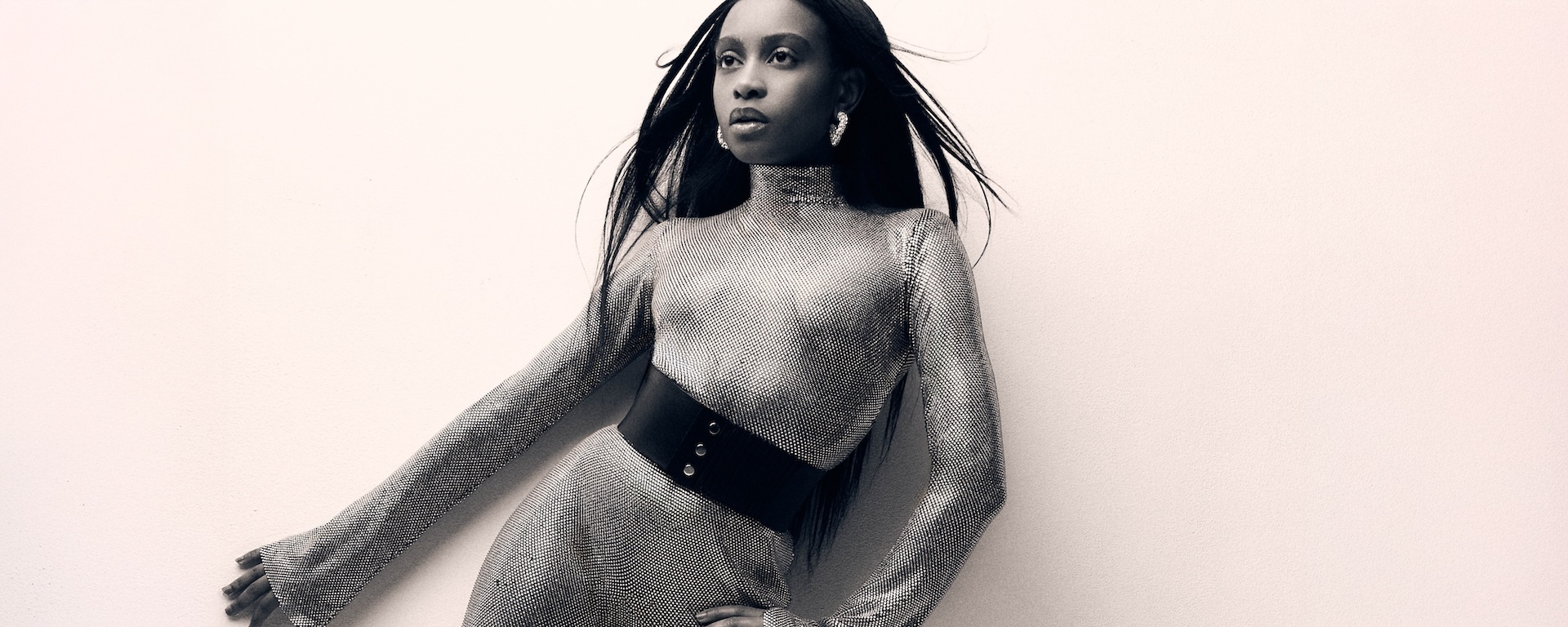
TAYLOR TOOKES IS REDEFINING THE MEASURE OF POWER

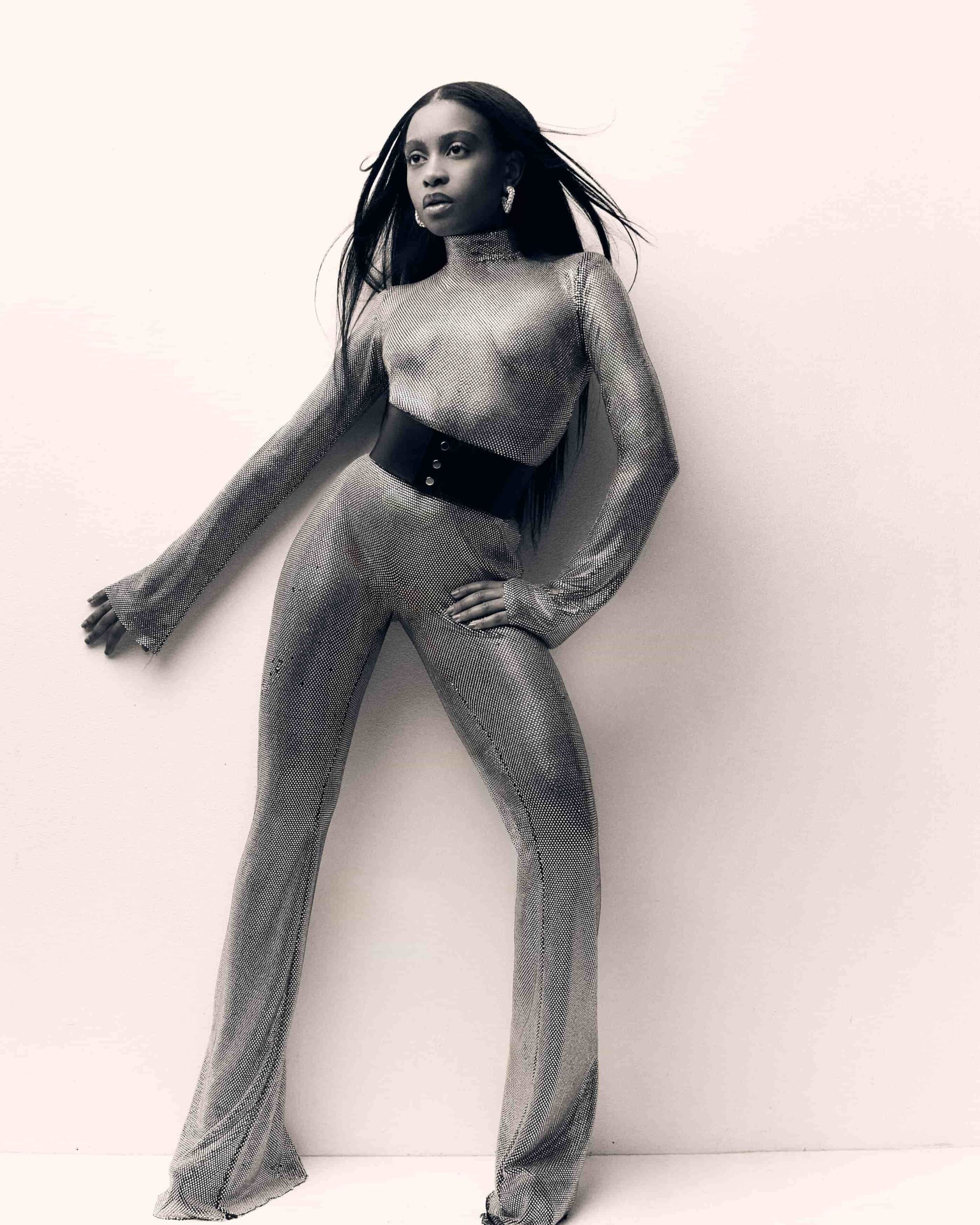
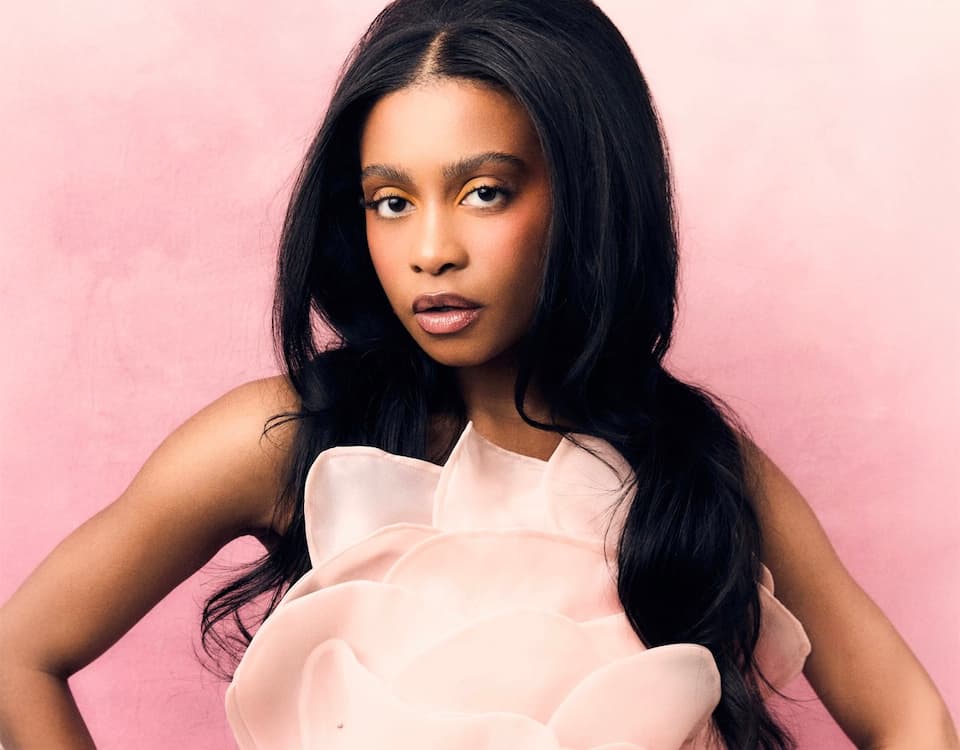
By the time Taylor Tookes steps into a room, the rules have already shifted. In an industry built on measurements and margins, she redefines power, proving that presence, not inches, is the true measure.
PHOTOGRAPHY BY TIMOTHY FERNANDEZ
STLYIST BY PETAR GEORGIEV, MAKE-UP BY MAKEUPWDRE, HAIR BY SOPHIA PORTER

“FASHION MAY MEASURE BODIES, BUT IT DOESN’T GET TO DEFINE IDENTITY.”
TAYLOR TOOKES, MODEL, FOUNDER, AND ADVOCATE
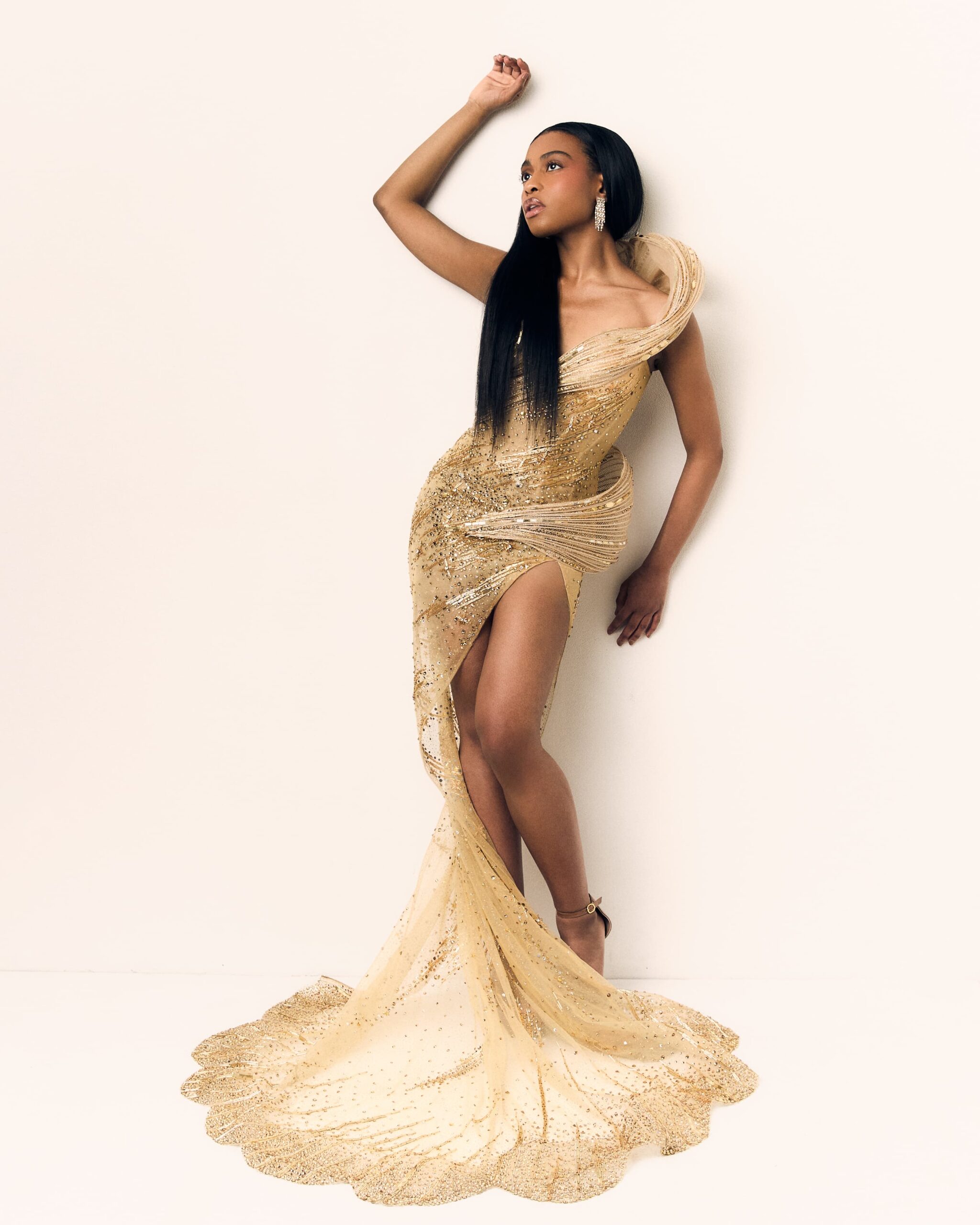
PHOTOGRAPHY BY TIMOTHY FERNANDEZ
Taylor Tookes entered an industry built on measurements and margins and learned early that her body would be read before her ambition. Too short. Too specific. Too easy to overlook. Instead of shrinking to fit what wasn’t made for her, Taylor made a different choice: she stayed visible without contorting herself, present without asking permission, and committed to becoming rather than convincing.
Her career didn’t unfold in straight lines or borrowed footsteps. It grew through insistence, through showing up fully as herself in rooms that weren’t designed with her in mind. Walking official New York Fashion Week shows at 5’1”. Appearing on high-fashion covers that once excluded women like her. Building a body of work that doesn’t argue for inclusion, but embodies it. From NYFW to LA Fashion Week, Miami Swim Week, and cultural moments like Art Basel, Taylor’s presence has moved fluidly across fashion, art, and community, not as a guest, but as a contributor.
In an industry long obsessed with inches, limits, and narrow definitions of beauty, Taylor has done something quietly radical: she showed up as herself, unapologetically short, proudly queer, deeply intentional, and refused to move out of the way. Her success is not positioned as an exception to the rule, but as evidence that the rule itself was incomplete.
There is softness in her presence, but also conviction. A steadiness that comes from knowing who you are and refusing to trade that knowing for access. Taylor’s work lives at the intersection of beauty and authorship, where the body is not a limitation but a language, where representation is not a slogan, but a lived practice.
What often goes unseen is the interior work behind that visibility. The discipline of listening inward when the noise gets loud. The restraint of choosing longevity over momentary applause. The courage it takes to stay rooted in your values while navigating an industry that profits from sameness. Taylor’s evolution has been shaped as much by what she’s declined as by what she’s claimed.
Her sense of beauty is not performative. It is embodied. It lives in how she occupies space, honors her body, and allows her identity to remain fluid rather than fixed. Beauty, for Taylor, is not about fitting an image; it’s about integrity. About the coherence between who you are privately and who you allow yourself to be seen as publicly.
Leadership arrived for her not through hierarchy, but through care. Through the understanding that visibility carries responsibility. That making room for yourself means holding the door open behind you. Beyond fashion, Taylor’s advocacy extends to literacy initiatives for young girls, support for Black communities, and sustained LGBTQ+ visibility, work that reflects a commitment to impact that extends beyond the frame of a photograph or the span of a runway.
Becoming is rarely a finished state. It’s a practice, one shaped by repetition, choice, and the quiet courage to choose yourself again and again. Taylor Tookes embodies that understanding not because she declares it, but because she lives it. Her story isn’t about arrival. It’s about alignment.
In the conversation that follows, Taylor reflects on embodiment, creative ownership, identity, and what it means to take up space without apology, not just in fashion, but in life.
“Embodiment means I’m not asking to be included; I’m already here. Beyond visibility, embodiment is about normalcy. It’s about my presence not being an exception or a statement, just part of the landscape.”
You’ve spoken about choosing presence over permission. When you look back at your early years in fashion, what helped you trust yourself when the industry was telling you to be smaller or quieter?
I honestly think it was self belief and self confidence. I never really fully believed that I needed anyone else’s permission to do what I want with my career or life. I’ve definitely been silenced, or rather, it was an attempt to silence me. When I would speak out in the past, I’d get blocked by agencies for literally just calling out their height requirement. I would get told “you’re beautiful and you have the look, but you’re too short!” but I would NOT let that stop me from pursuing a career in fashion.
I always knew if you could think it, then you can definitely achieve it, and you don’t need permission to do so, so that’s what I’ve pretty much always lived by.
Being a short woman in a world built on inches can’t have been easy. How has that shaped not just your career, but the way you see yourself?
Honestly, it never really changed how I saw myself. I’ve always been clear on who I am. The industry had its standards, but my self-image wasn’t built on them. It shaped my career more than it shaped my identity, and my height was something the industry had to adjust to, not something I had to internalize.
The fashion world has long measured women in inches and limits. How did you learn to separate how your body was being read from who you knew yourself to be?
I never really fused the two. I understood early on that the way an industry reads a body is totally about systems, not truth, so I didn’t need to separate myself later. I simply never confused measurement with meaning, and I think knowing yourself first makes that separation natural. My body was being read through an industry lens, but my sense of self came from somewhere deeper. Once you’re anchored there, outside interpretations don’t carry much weight. Fashion may measure bodies, but it doesn’t get to define identity.
You’ve said that your work doesn’t argue for inclusion; it embodies it. What does embodiment mean to you, beyond visibility or representation?
Embodiment means I’m not asking to be included; I’m already here. Beyond visibility, embodiment is about normalcy. It’s about my presence not being an exception or a statement - just part of the landscape. It means not treating inclusion as a conversation, but as a reality. I hope all petite models adopt the mindset of “we don’t wait to be included, we operate as if we already belong.”
Through Height Revolution and The Starter’s Block, you’ve turned personal experience into collective opportunity. When did you realize that your visibility carried responsibility beyond yourself?
I always knew my visibility would carry responsibility beyond myself. I think it’s a given to experience a domino effect sort of thing in this industry, and honestly, that was always the point! Being a trailblazer means understanding there’s a first time for everything. If I can help bring viability to people who truly deserve it but don’t always have access to the same resources, then I want to do that. There’s more than enough room for everyone!
Leadership, for you, seems rooted in care rather than hierarchy. What does leadership look like when it’s practiced quietly, day by day?
It definitely looks like making your own decisions, and it definitely looks like moving how YOU want to move and not how anyone else wants you to move. It means you aren’t playing a part. You’re following your own mind, belief system, and intuition unapologetically. It also looks like following through, sharing access, sharing information, opening doors, and not guarding access or being so cliquey about it. It doesn’t need to be loud or formal — it shows up in the way you move every day.
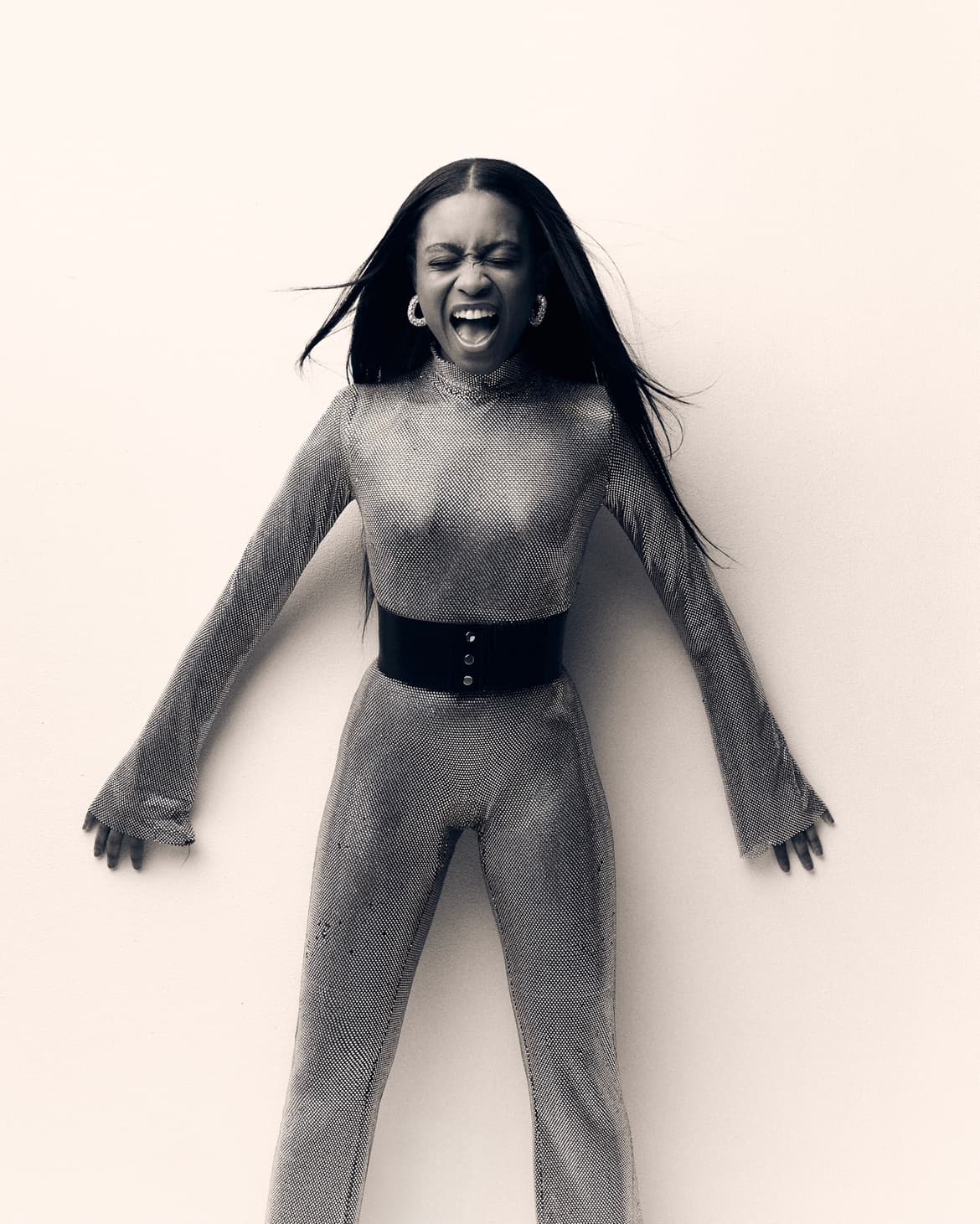
“My height was something the industry had to adjust to, not something I had to internalize.”
Social media can amplify everything, both joy and pressure. How do you stay connected to yourself when the world is watching?
Gonna be so real with you, it doesn’t really affect me much in a negative way to know that the world is watching me. Although I have a love/hate relationship with visibility because I love privacy, I’m still myself, and I refuse to put on a mask or play a character for anyone. I think it’s that grounding aspect — being solid in myself and my identity that helps me prevent that “head in the clouds” attitude. Knowing who you are goes a long way.
When the noise gets loud, expectations, opinions, the pressure of visibility, where do you return to yourself?
I don’t really let it get to me. I don’t care what other people’s expectations are of me, nor do I care about other people’s opinions of me. Like I said, I know who I am, and I’m grounded in that. So there’s really no need to return to myself if I never lose myself. The only issue I have with visibility is people feeling entitled to know every little thing about someone. There has to be a line or a boundary somewhere. I’m here to make a change in the industry, not to share every little detail of my life.
For a woman reading this who is learning to take up space without apology, what do you hope she understands about becoming, not as a destination, but as a practice?
I want to say directly to her — girl, screw these people!!! NEVER apologize for who you are, for having a dream and chasing it, for having boundaries, for having limits, for wanting to do something for the pure sake of WANTING TO DO IT. You were put on this earth to experience having everything you want and more. Never let anyone tell you NO! All you need to do is show up as that person in your mind. Embody that person, and the world will follow. I promise you!
Looking ahead, what do you hope your work leaves behind, not just in fashion or culture, but in the hearts of the people who see it?
Genuine inclusion and genuine acceptance of everyone. I just really hope we reach a point where short women are not a runway trend, they’re just the norm in fashion. And this is NOT saying to erase tall women because that wouldn’t be inclusion. This is just saying to ADD short women to the runway TOO. I also hope we reach a point where we can see more fresh faces and fresh ideas in film because I think there are so many people out there with an amazing story waiting to be told, they just don’t have the resources or chance to do it. Overall, I’m hoping I can leave behind some inspiration or hope for something overdue, new, and needed in this industry.